A Caribbean island with US infrastructure, English and Spanish everywhere, and a beach at the end of the street. Here's how to work a normal month from Puerto Rico's north coast, wherever in the world you're flying from.
Most remote-work fantasies die on the boring stuff. Not the view. They die on a router that drops mid-call, a power cut at four in the afternoon, and the slow realization that the beautiful apartment has nowhere to actually sit and work.
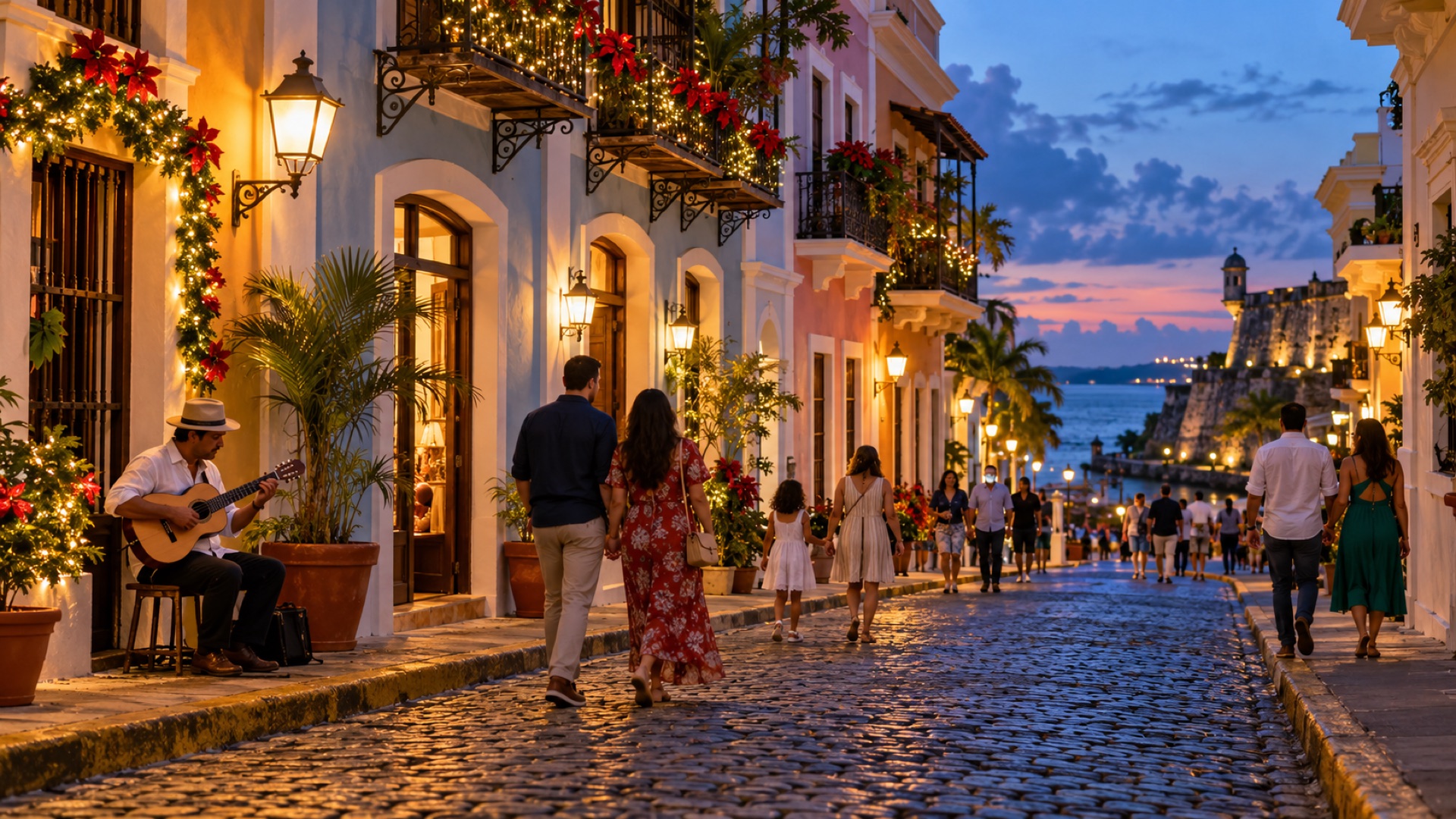
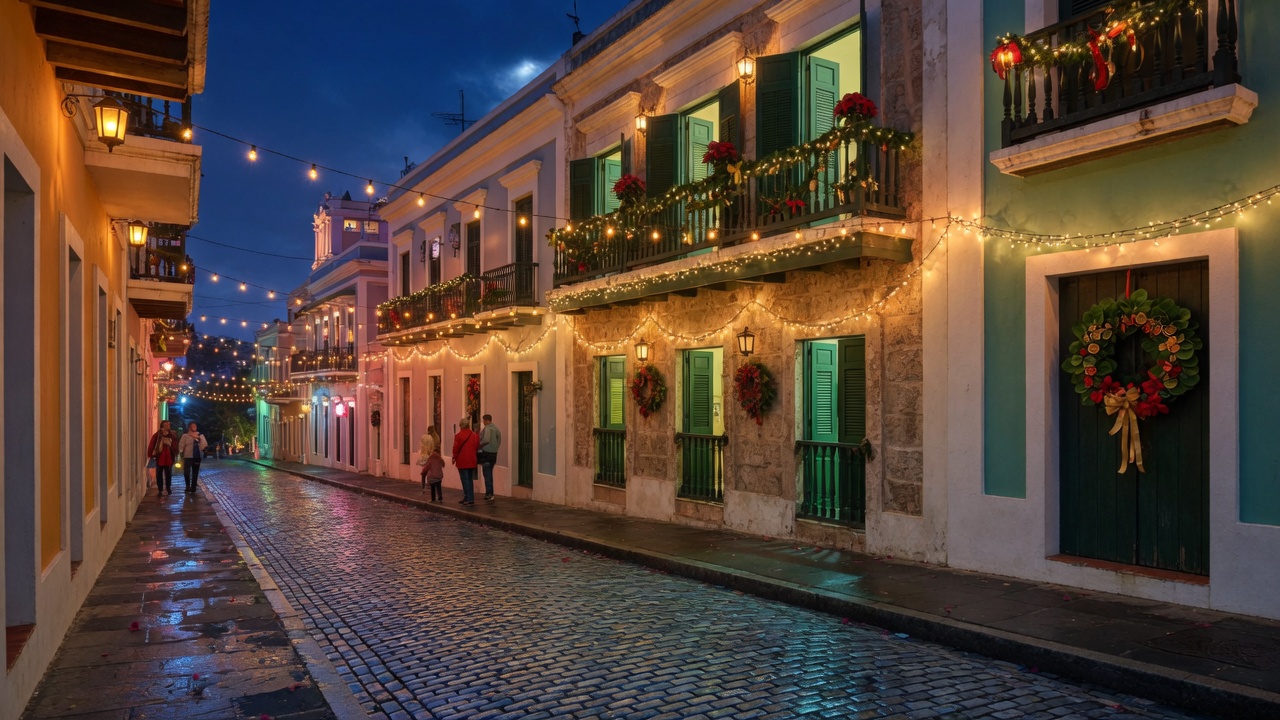
Puerto Rico removes an unusual number of those obstacles before you land. It's a US territory, which means US power sockets, US carriers, US dollars and mail that behaves. It also means Caribbean water, a rainforest an hour east, and five hundred years of Spanish colonial stonework in Old San Juan. That combination is genuinely rare, and it's why the island keeps turning up on remote-work indexes like the Lucky Nomads World Index.
Our guests fly in from across the mainland US, Canada, Mexico and Europe, and they settle into much the same rhythm once they're here. The practicalities differ by passport, and we cover those below. The working week doesn't.
One thing that helps everybody: the island runs on Atlantic Standard Time all year with no daylight saving. That lines up with New York in summer and puts you an hour ahead of it in winter, and it keeps you inside a workable window for most of Europe's afternoon.
Because the north coast gives you a beach town with real infrastructure, close to the airport, without the noise of the metro or the isolation of a surf village. Most island nomad guides cluster around the capital. Outsite's guide to San Juan is a good one and worth reading if the city is what you want: it walks through Old San Juan, Ocean Park and Miramar, and names the coworking spaces there. Dorado isn't in it, even though coworking opened here in 2025.
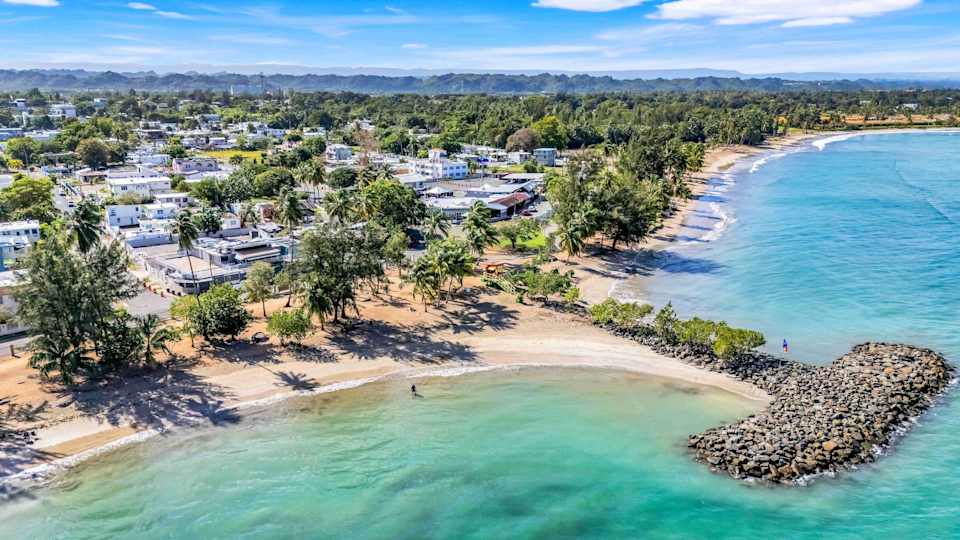
That gap is the whole reason this page exists. Dorado sits west of San Juan on the north coast: quiet at night, close to Luis Muñoz Marín, with a public beach, restaurants worth walking to, and enough of a residential rhythm that you stop feeling like a tourist by about day four.
You sleep here. You take a day in Old San Juan when you want the city. You come back to the same kitchen and the same desk. That's a genuinely different month to the one you'd have in Condado, where the street is still going at two in the morning and your "ocean view" costs you an hour a day in traffic.
Remote employees and freelancers who need a reliable month rather than a highlight reel. Recent arrivals to the island who want a north-coast base while they figure out where to land. Contractors and project staff here for a few weeks. Anyone who'd rather hear water than a hotel corridor.
It suits people whose work is genuinely portable and whose standards are genuinely boring: a table, a door that closes, WiFi that holds, and a fridge. If that's you, a month here works well.
It's a poor fit if you want a coliving house with built-in social programming, or if you need to be inside San Juan's nightlife. Those exist and they're good products. This is a quieter thing.
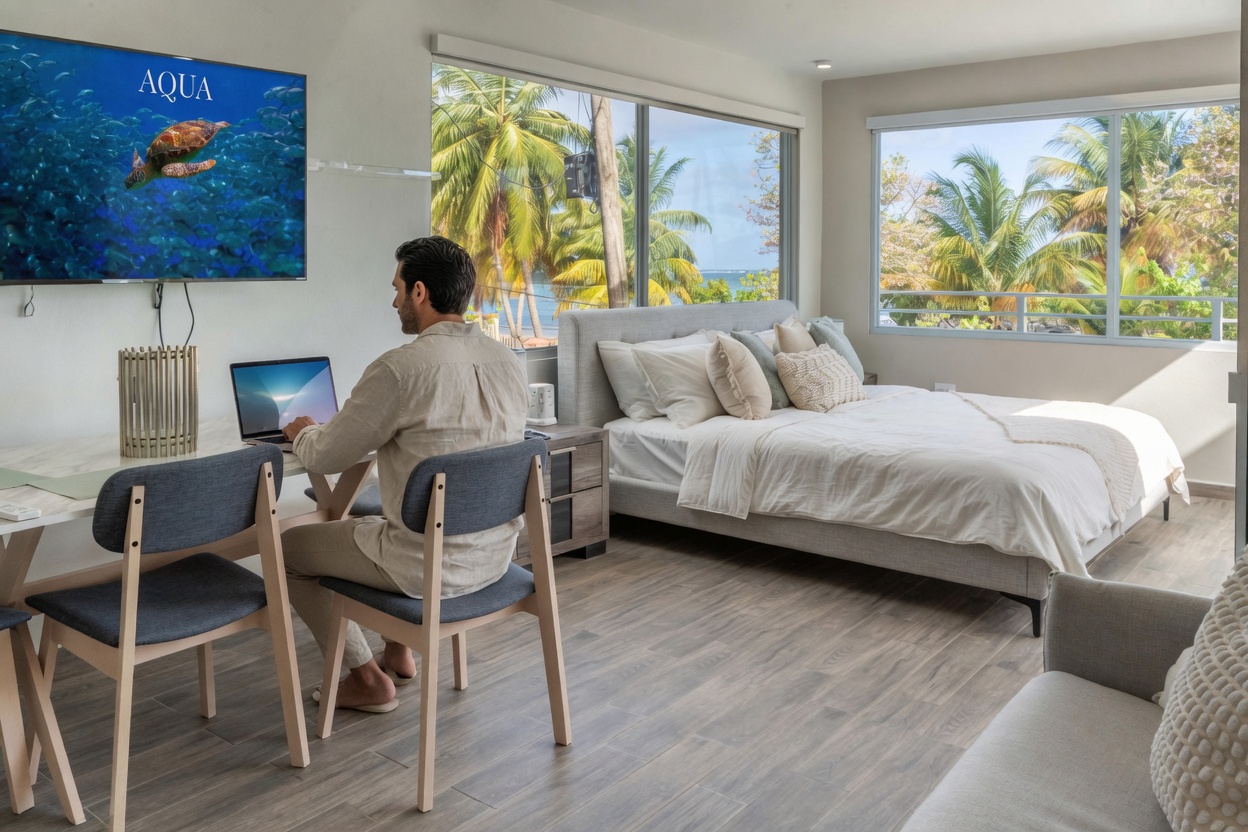
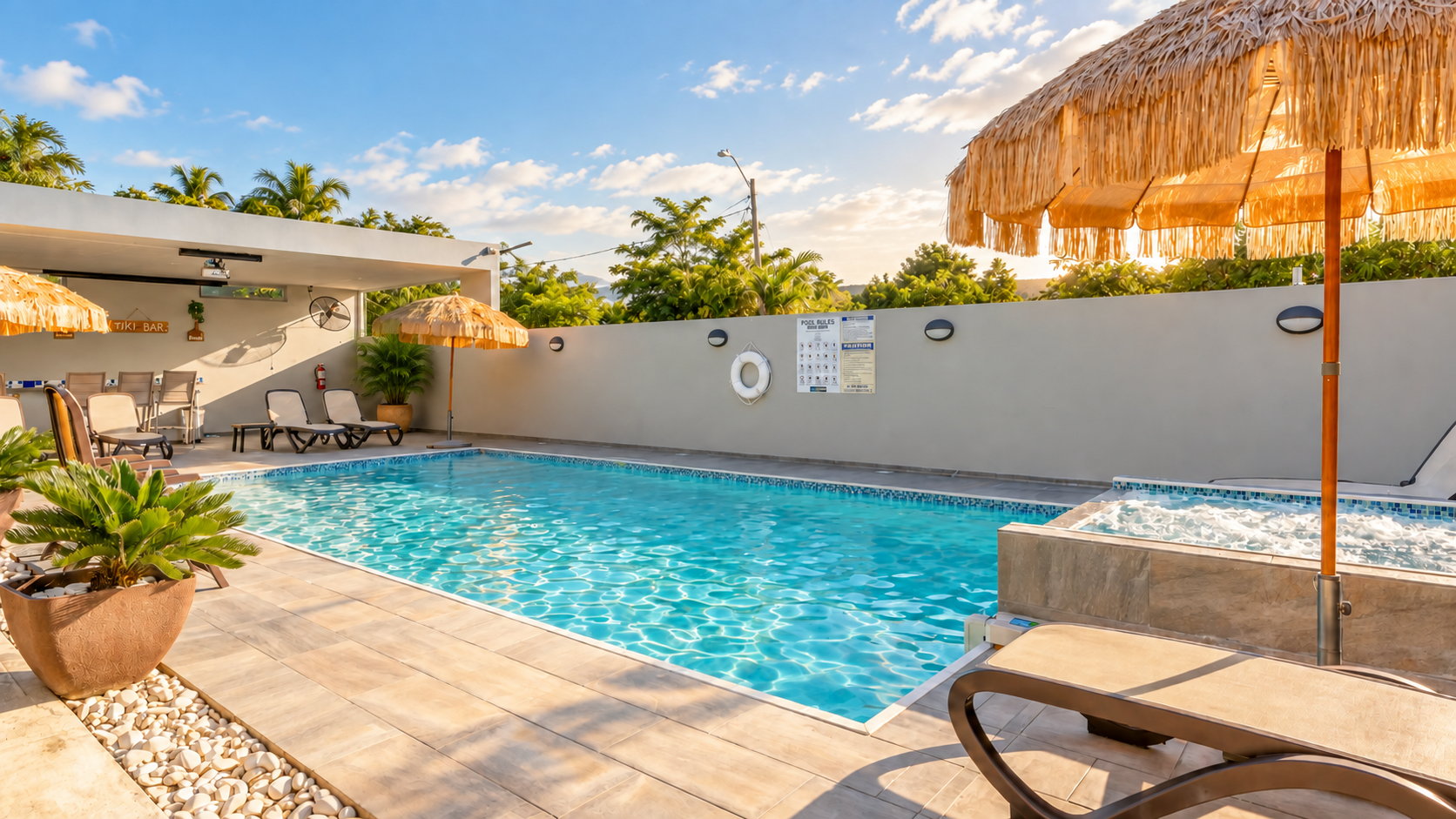
Every stay comes with high-speed WiFi, a backup generator and a water cistern, plus A/C, parking and furnishings. That's the honest inventory, and the generator and cistern are the part experienced island residents care about most.
For a working month, the question worth asking before you book is where you'll physically sit. Some units have a proper table, some have a counter, some have a terrace that turns out to be the best desk in the place. Ask when you book and say what your work needs, because a video-heavy job and a writing job want different rooms.
If your calls genuinely cannot drop, bring a hotspot. That isn't a caveat specific to us, it's ordinary practice anywhere you work remotely, and the people who've done this a while all travel with one.
Yes, and it's genuinely good. Piloto 151 opened its Dorado site in Costa de Oro in April 2025, its seventh location, roughly 7,000 square feet at Vista Plaza with a reported $900,000 investment. Their own tagline for it is "from beach vibes to business grind", which is about right. Warm wood, a lot of natural light, a proper coffee setup, and they describe it as a stroll from Playa Sardinera.
Piloto runs several locations across the island, including Old San Juan, Milla de Oro, Santurce and Miramar, so if your month includes days in the city the network is already there.
Here's the part that matters if you're choosing a unit: Ville Moderna is about 190 metres from the Piloto 151 door, a two-minute walk on flat ground. You can finish a call at home, walk over for a meeting, and be back before the coffee goes cold. If coworking is central to how you work, that proximity is the single strongest argument in this entire guide.
That single fact changes what a month here looks like. You get a professional room with a door for the quarterly review, and a bed ten minutes away with a kitchen in it. Most beach towns give you one or the other, and the ones that give you both are usually a lot louder than this.
Use the coworking space when you need a meeting room, a whiteboard, or simply a different set of walls on the fourth Tuesday. Use your stay for the deep work, the early calls and the days you don't want to speak to anyone.
Almost certainly not, if you're here for a few weeks or a few months, and this is worth understanding before somebody on the internet sells you a fantasy.
Act 60 is Puerto Rico's incentives framework, and the version people talk about for remote workers and business owners is built on bona fide residency. According to the Puerto Rico business law firm Lawyer in PR, that means being physically present on the island for at least 183 days in a calendar year, keeping a permanent home here, and being able to show your economic and personal life is genuinely centred here. Their write-up is blunt about the arithmetic: 182 days does not qualify.
In other words, it's a relocation decision, not a travel one. A three-month stay doesn't get you there, and treating a working holiday as a tax strategy is how people create problems for themselves.
If you're seriously considering moving rather than visiting, that's a real conversation to have with a Puerto Rico attorney and a CPA who do this for a living. We host guests, and we're not going to pretend to be either.
What we can tell you is the honest middle path a lot of people take: come for a month first, work a normal week from here, and see whether you actually like the island in February when it's raining and your calls are still at eight in the morning. Plenty of guests have made a much bigger decision afterwards, and the ones who did it in that order seem happiest.
Ville Moderna if coworking is part of your week, since it's a two-minute walk from Piloto 151. Terrazas if the beach matters more and you want to be on the sand. A Casas room if you're solo and want restaurants at the door.
Better than you'd expect, mostly because of how the day starts. You're up early because you went to bed at a reasonable hour, and the first hour belongs to you rather than a commute. Coffee, the terrace, the light coming up over the water, and the inbox still asleep on Eastern time.
The morning block is the good one. Take it at a real table with the doors open and the trade wind moving through, and you'll get more done by eleven than you did in a full day the week before you left.
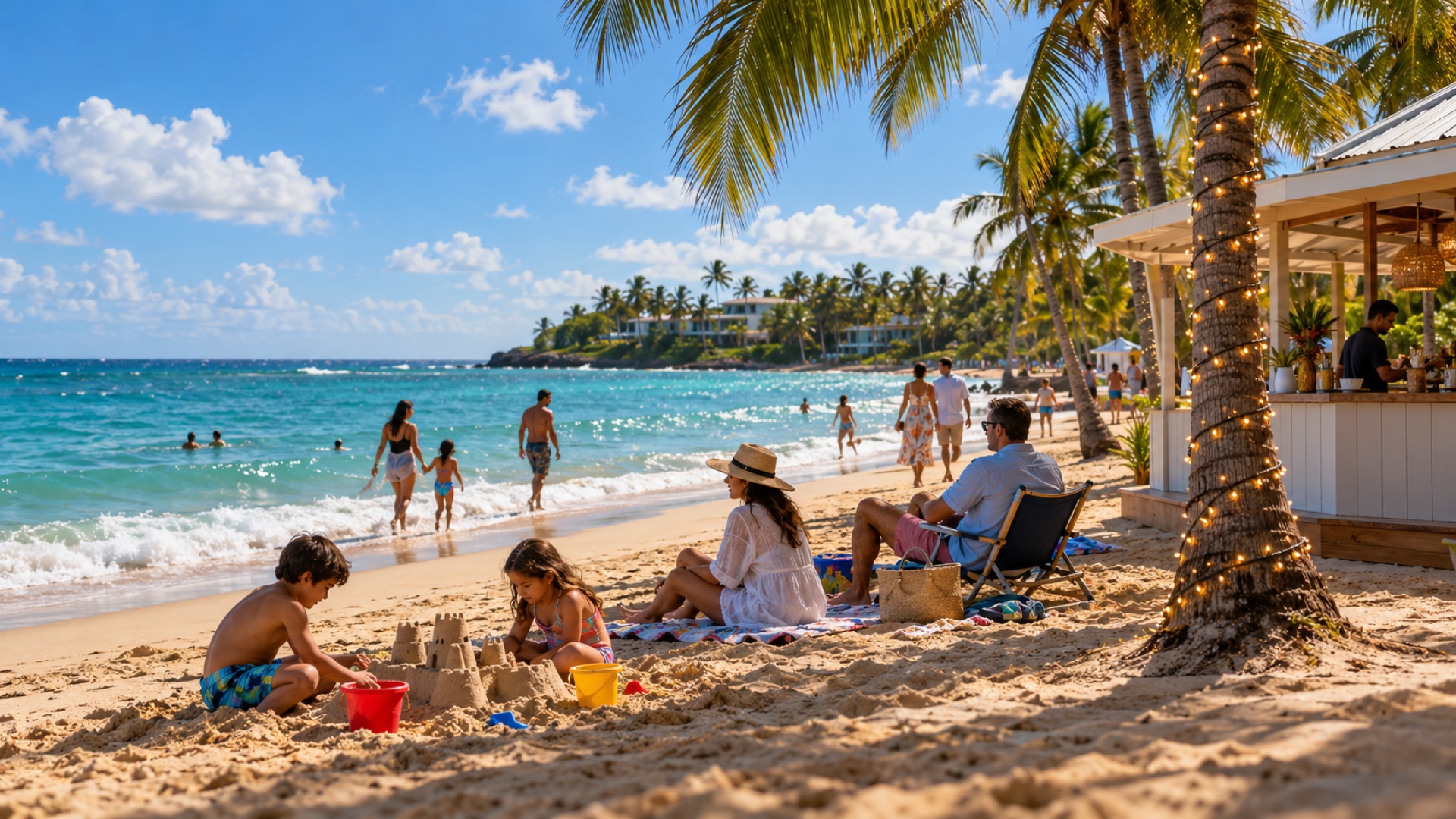
Lunch is whatever's in the fridge, which is the underrated part. No queue, no bill, no forty-minute decision. Then the afternoon, which is where the island earns it: when the calls thin out, Sardinera is a short walk and twenty minutes in the water resets you completely. You come back with salt on your arms and finish the thing you'd been avoiding since Monday.
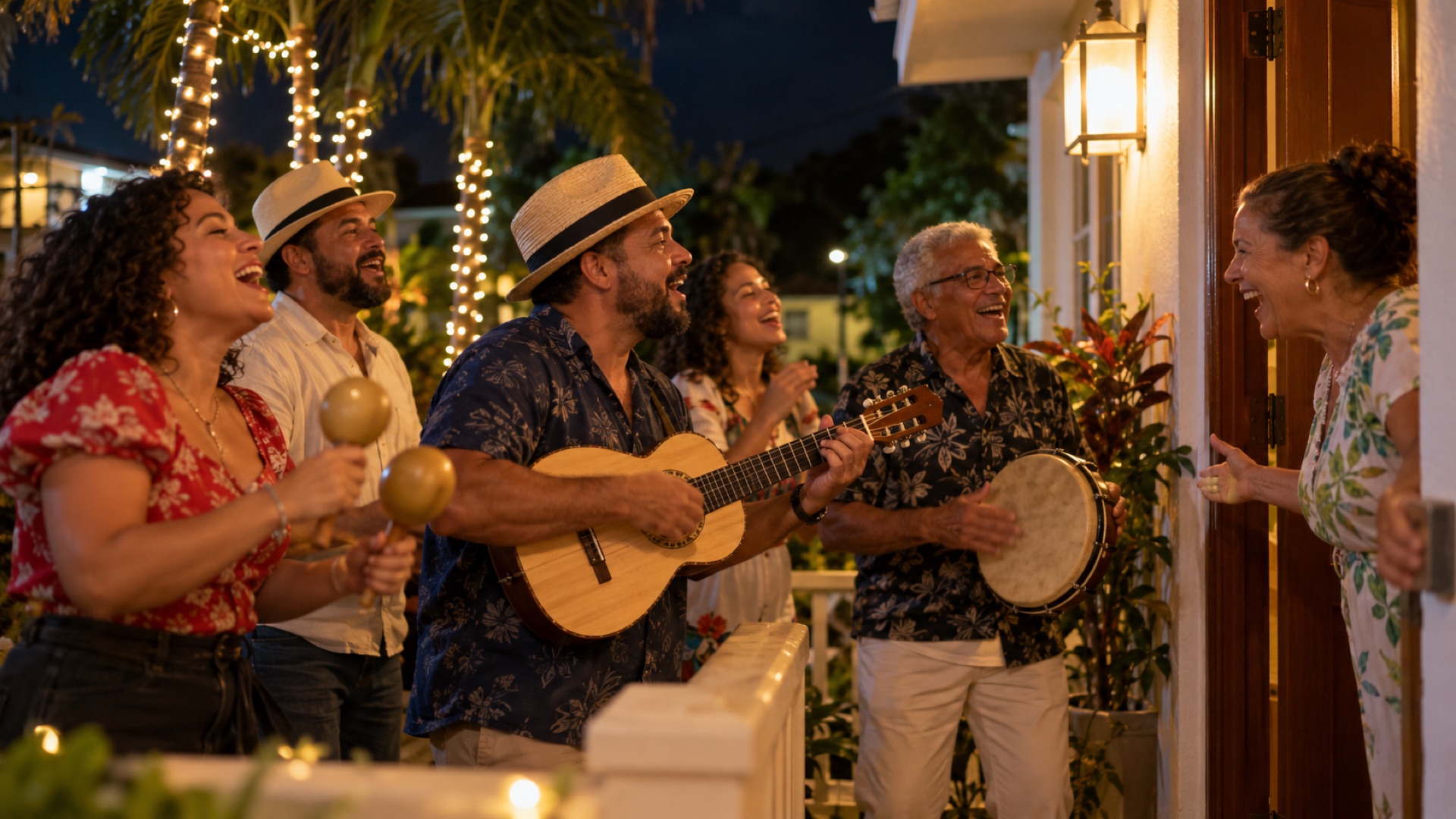
Evenings are quiet by default. La Terraza for mofongo pressed in a wooden pilón and fried snapper when you want a proper dinner. Katrina's for something casual. Cooking at home most nights, because you have a kitchen and the supermarket is right there.
Then the weekend, which is the actual reason you moved your desk four thousand miles. Old San Juan for the old walls and a long lunch. El Yunque for a rainforest day. Kikita if you surf. None of it requires a second hotel or a flight.
Luis Muñoz Marín (SJU) is the usual arrival for the north coast. Rafael Hernández (BQN) in Aguadilla is a genuine second option, though it sits on the other side of the island and isn't a close substitute for a Dorado stay.
We won't publish a drive time, because traffic on PR-22 changes by the hour and a fake number helps nobody. Send us your dates and we'll tell you the realistic route to your specific unit.
Because Puerto Rico is a US territory, US immigration rules apply here exactly as they do on the mainland. What that means for you depends on your passport:
We're a place to stay, not immigration advisers, so check the current rules against the official sources before you book anything: ESTA and the US State Department. Requirements change, and yours are yours.
Pick the unit that matches how you'll work, enter your dates, and book directly on aquadorado.com. Terrazas is the usual first look because coworking and the beach sit in the same pocket.
It depends where you're flying from. US citizens arriving from the mainland are on a domestic flight and need a REAL ID or another TSA-accepted ID. Most European travellers enter under the Visa Waiver Program with an approved ESTA for up to 90 days. Longer stays need a standard US visa, since US immigration rules apply here in full. Check ESTA and the State Department for your own situation before you book.
High-speed WiFi comes with every stay, along with a backup generator and a cistern. Plenty of guests run call-heavy jobs from here without drama. If a dropped call would genuinely cost you something, travel with a hotspot the way most experienced remote workers already do, and tell us your standard when you book.
Yes, and a lot of guests do. The booking widget shows what each unit accepts directly, and for anything longer it's worth sending your dates so we can talk about the right unit rather than guessing. We won't quote a monthly rate here that would be wrong by the time you read it.
Not necessarily if you're in Costa de Oro, where rideshare covers dinner and a day in the city comfortably. A car earns its place for groceries, weekend trips to El Yunque or Kikita, and the freedom to leave when you feel like it. Most people staying a month end up with one.
Ville Moderna, comfortably. It sits on Urb. Sardinera roughly 190 metres from the Piloto 151 Dorado entrance, which is a two-minute walk on flat ground. Terrazas is in the same general pocket of Costa de Oro but puts you on the beachfront instead, so the trade is desk proximity against sand proximity.
Piloto 151 is where you'll meet people working, and the coast has a steady mix of residents, returning guests and remote workers. It's quieter than a coliving house by design. If your priority is a built-in social calendar, this is the wrong stay and San Juan is the better bet.
Atlantic Standard Time all year, with no daylight saving. You match New York exactly in summer and sit an hour ahead of it in winter, which makes US teams easy. For European colleagues you're four to five hours behind most of the continent, so their afternoon is your morning and there's a comfortable overlap either side of lunch.
A desk, a kitchen, a beach at the end of the street, and coworking around the corner. Book directly with Aqua Dorado.







 EN_US
EN_US  ES
ES