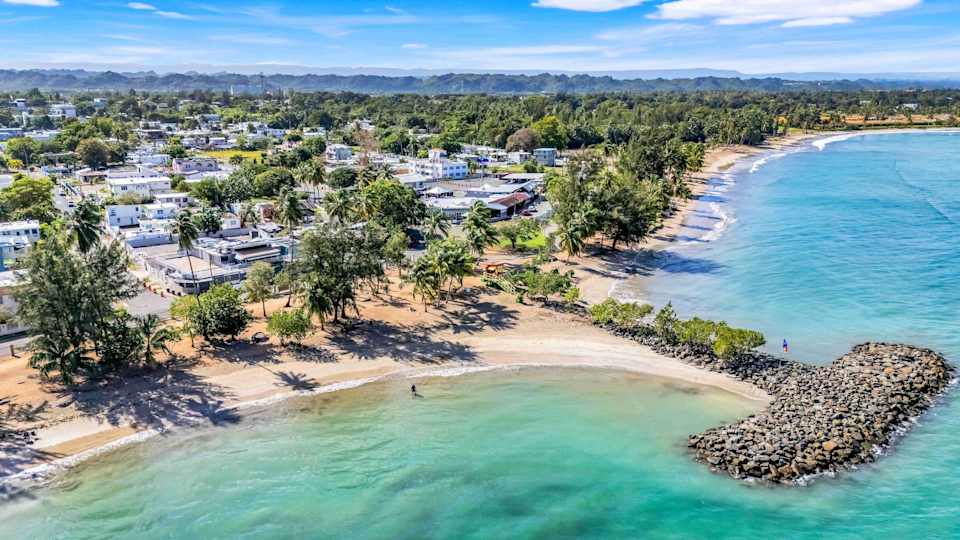
Dorado sits on Puerto Rico’s north coast, about thirty minutes by car from Old San Juan. It is quieter than the capital, the water is calmer than the east coast, and almost everything worth doing is within a short drive. This is what is actually worth your time, what is on this winter, and where to stay so you are walking distance from the sand.
Updated October 2026 for the 2026–27 winter season.
Staying in Dorado rather than San Juan means you are near all of it without the traffic. You can browse all of our stays in Dorado, or read on.

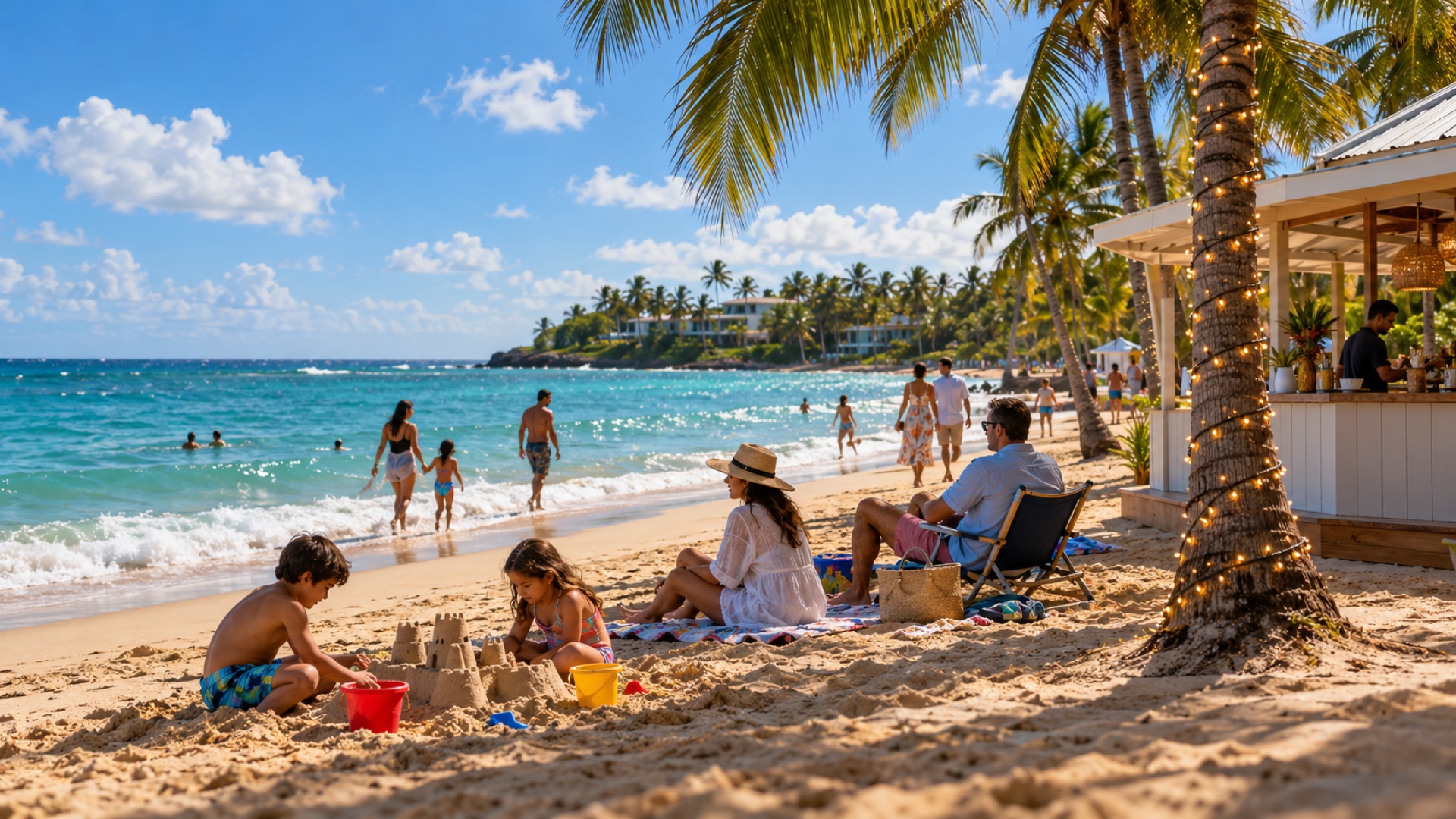
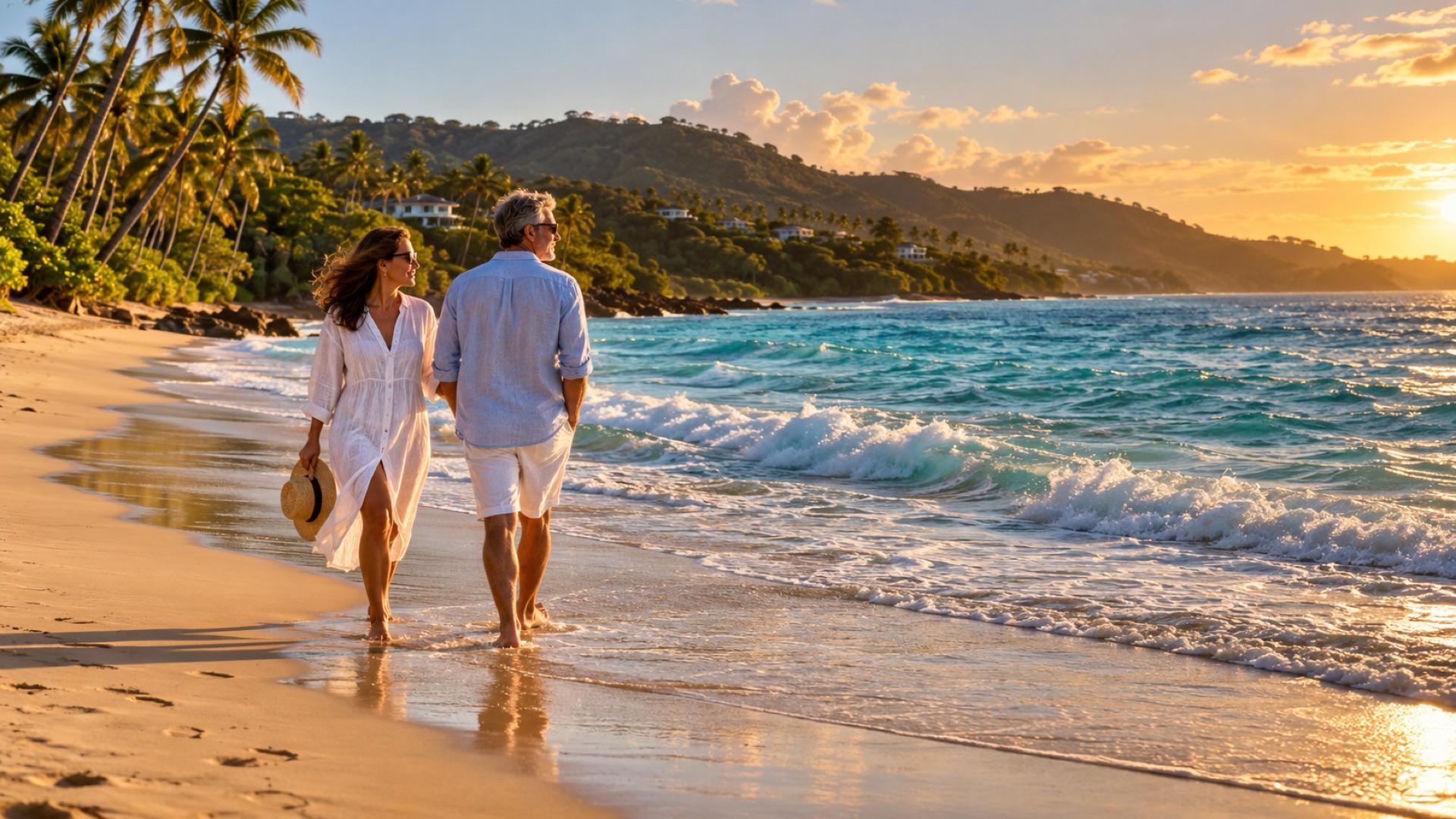
Dorado Public Beach (Balneario de Dorado) is the one most visitors mean when they say “Dorado beach”. It is public, the water is shallow and calm a long way out, and there are places to eat within walking distance. That combination is rarer than it sounds on an island with a lot of surf breaks — it is why families end up here.
Go early for parking at weekends — the lot fills by late morning once local families arrive. Bring shade, because the natural tree cover is patchy, and bring cash; not every kiosk along the front takes cards. The swimming area is roped, and the drop-off is gentle enough that small children can stand a long way out.
A half day is enough if you only want to swim. Most people end up staying through lunch, because the food is fifty metres away and there is no reason to move the car.
AQUA Villas Del Mar is a gated complex a few minutes’ walk from this beach, with a recreation lawn and BBQ areas, which is the difference between a beach day and a beach day that ends with everyone showered and fed without a drive.
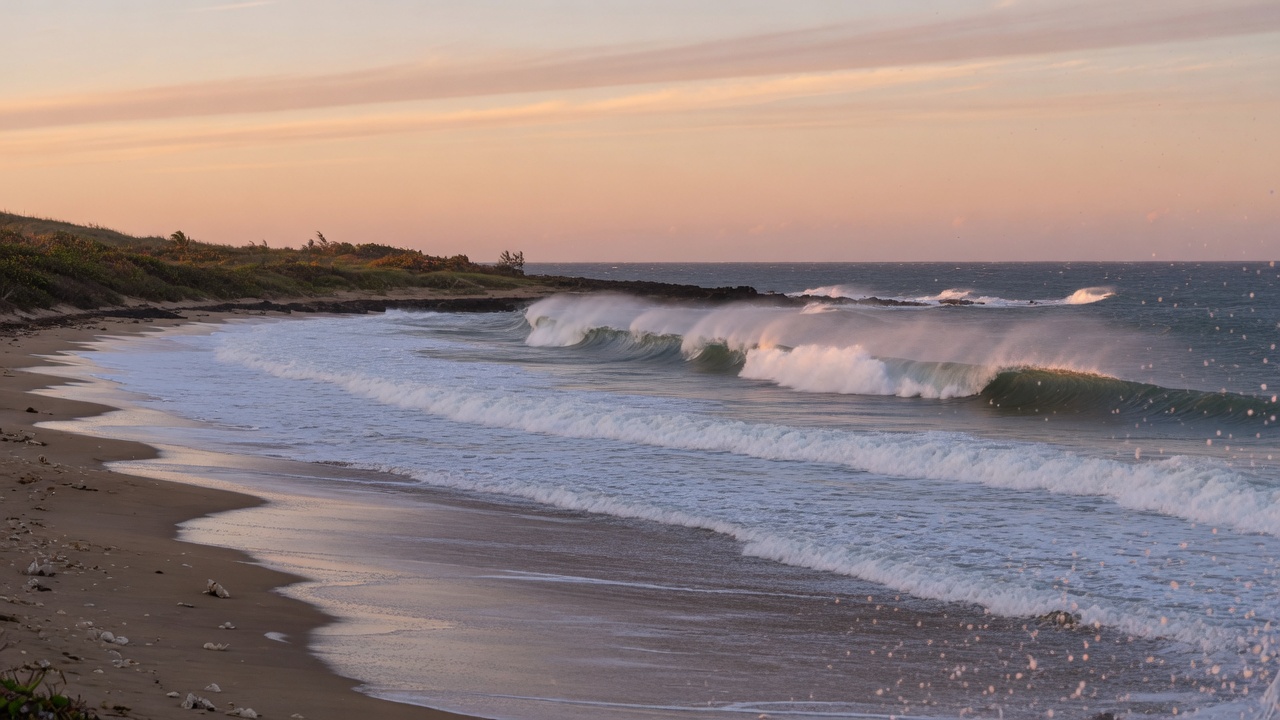
If the public beach is busier than you want, the coast either side has quieter stretches, and surfers head for the reef breaks at Kikita when the winter swell arrives. Here is where surfers stay near Kikita Beach.A note on names: Dorado Beach, a Ritz-Carlton Reserve, and Dorado Beach Resort are separate private resorts nearby. They are neighbours, not the public beach, and not us.
About thirty minutes by car. Bus and trolley stops are roughly fifteen minutes away if you would rather not drive into the city.
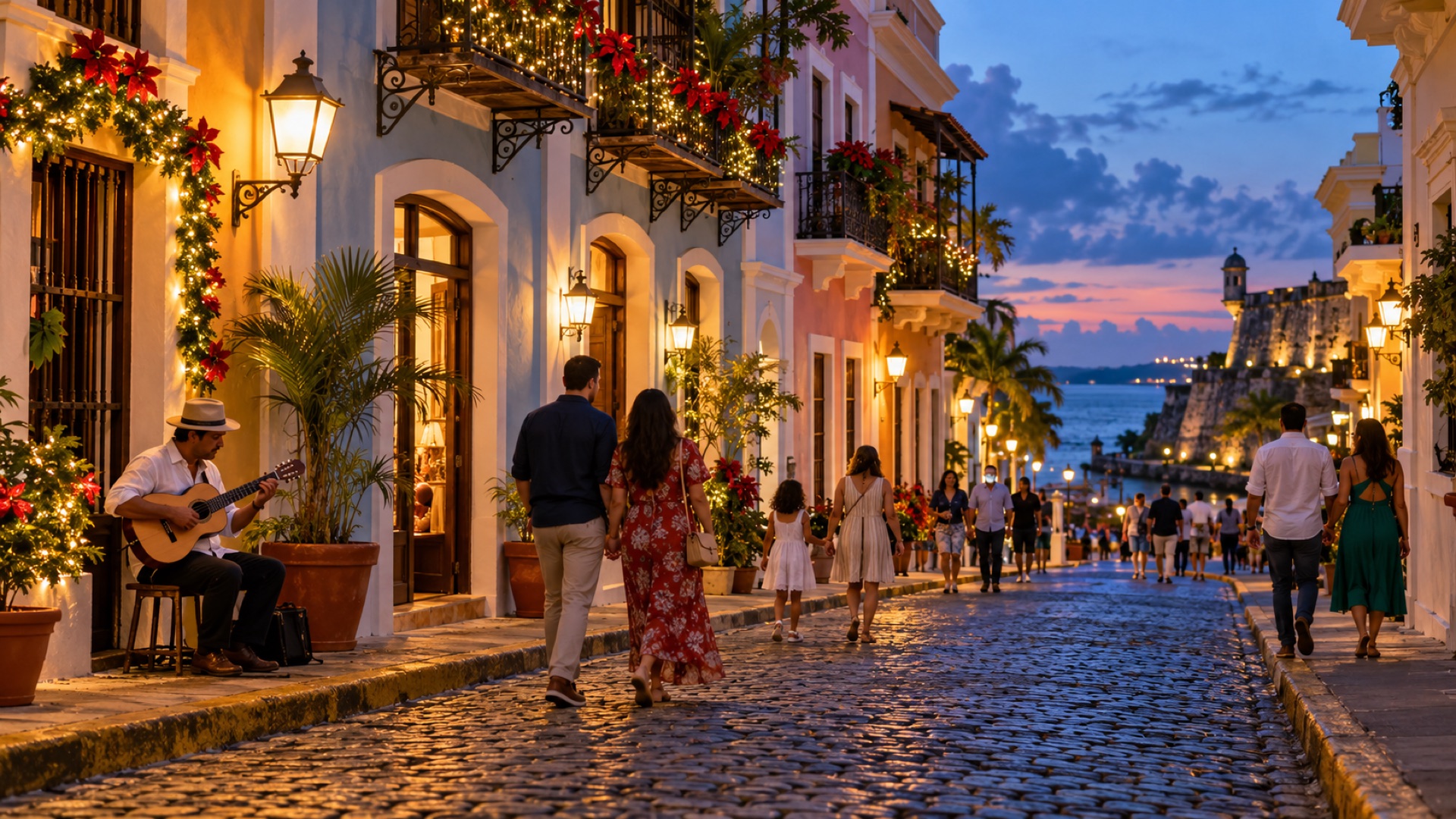
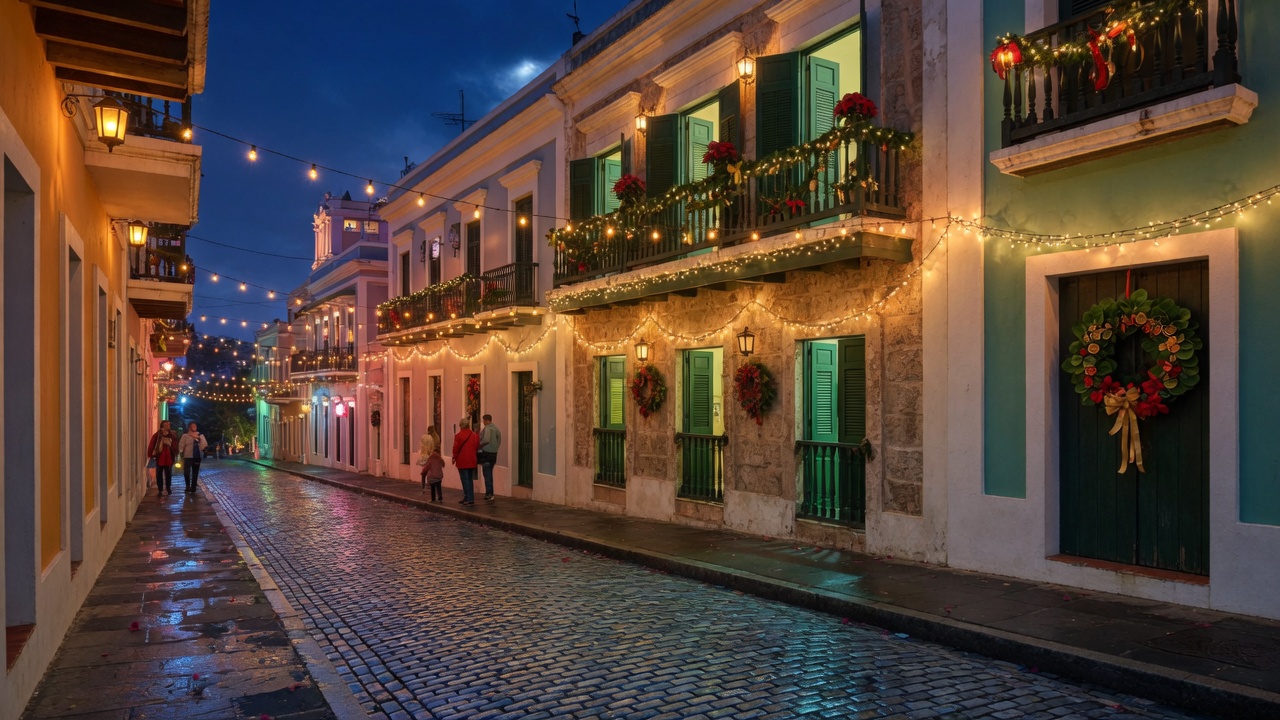
The old city is walkable end to end. Castillo San Felipe del Morro and Castillo San Cristóbal are the two forts worth the entrance fee; both are national historic sites and both take longer than you plan. Between them are the blue cobblestone streets, Paseo de la Princesa along the water, and more places to eat than a single trip can cover.
Leave Dorado mid-morning, walk the forts before the afternoon heat, eat late, and drive back. You avoid both rush hours and you are not paying San Juan prices to sleep there.
The north coast around Dorado is protected enough that beginners can paddle without a fight. Kayaking, paddleboarding and jet ski rentals all operate along this stretch, and several operators will meet you at the beach.
If you have never kayaked in the Caribbean before, this is a friendlier place to start than the east coast, where the swell is bigger and the currents are less forgiving.
Jet skis and guided paddles are worth reserving in high season, December through April. Outside those months you can usually turn up. Morning water is almost always flatter than afternoon water here, so an early slot is the better slot.
Bioluminescent bay tours run on the east and south coasts rather than in Dorado, so they are an evening excursion with a drive attached. Worth doing once, and worth checking the moon phase first — a dark night is a brighter bay.

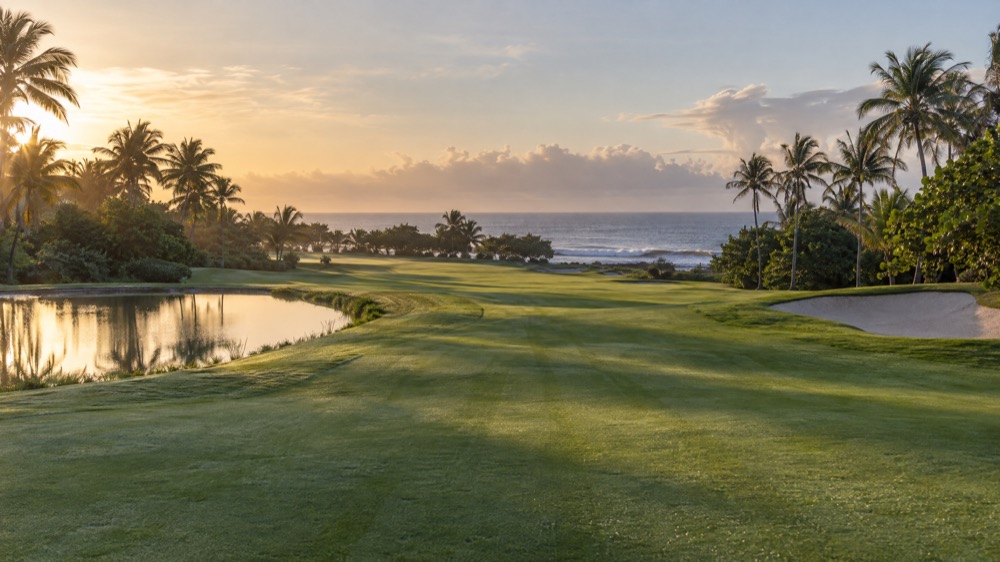
Dorado has more golf per square mile than most of the island. There are courses within a few minutes of the town centre, and tennis and pickleball courts alongside several of them.
Our bed and breakfast rooms sit near the Embassy Suites golf and tennis facilities, which is convenient if a tee time is the reason you came. Embassy Suites is a neighbouring resort rather than part of our properties.
The central mountains start climbing about an hour inland. Working coffee haciendas run tours through the whole process, picking, drying, roasting, and most finish with a cup of what you just watched them make.
Mornings are better: the mountain roads are slow, and the afternoon clouds come in. Take the day; this is not a two-hour errand.
The drive itself is part of it. The road climbs out of the coastal plain into genuine mountains within half an hour, and the temperature drops noticeably. Take a layer — visitors who pack only for the beach regret it up there.
Puerto Rico’s karst belt begins just south of Dorado — limestone country, which means caves, sinkholes and river canyons. Guided caving trips range from a walk with a headlamp to rappelling and body-rafting an underground river.
Several waterfall hikes sit within a comfortable drive. Wear shoes you do not mind soaking, and check conditions after heavy rain — river levels change quickly here, and reputable operators cancel rather than risk it.
The walking tours are fine for most ages. Anything described as rappelling, body-rafting or “canyoning” is a different proposition: expect to be wet, cold and using your arms.
Ranches in the surrounding hills run horseback rides, some along the beach at low tide, and ATV trails through farmland and river crossings. Both are a good half-day when you want to see the island away from the coast road.

Dorado’s food is the unglamorous kind that people come back for: roadside lechón, mofongo, fresh fish, and bakeries that open early. There are several restaurants within walking distance of the public beach, which is the main reason a beach day here does not need a car.
Food tours generally run out of San Juan rather than Dorado, so pair one with the day trip above. For names, dishes and what to order, read the 7 best places to eat in Dorado.
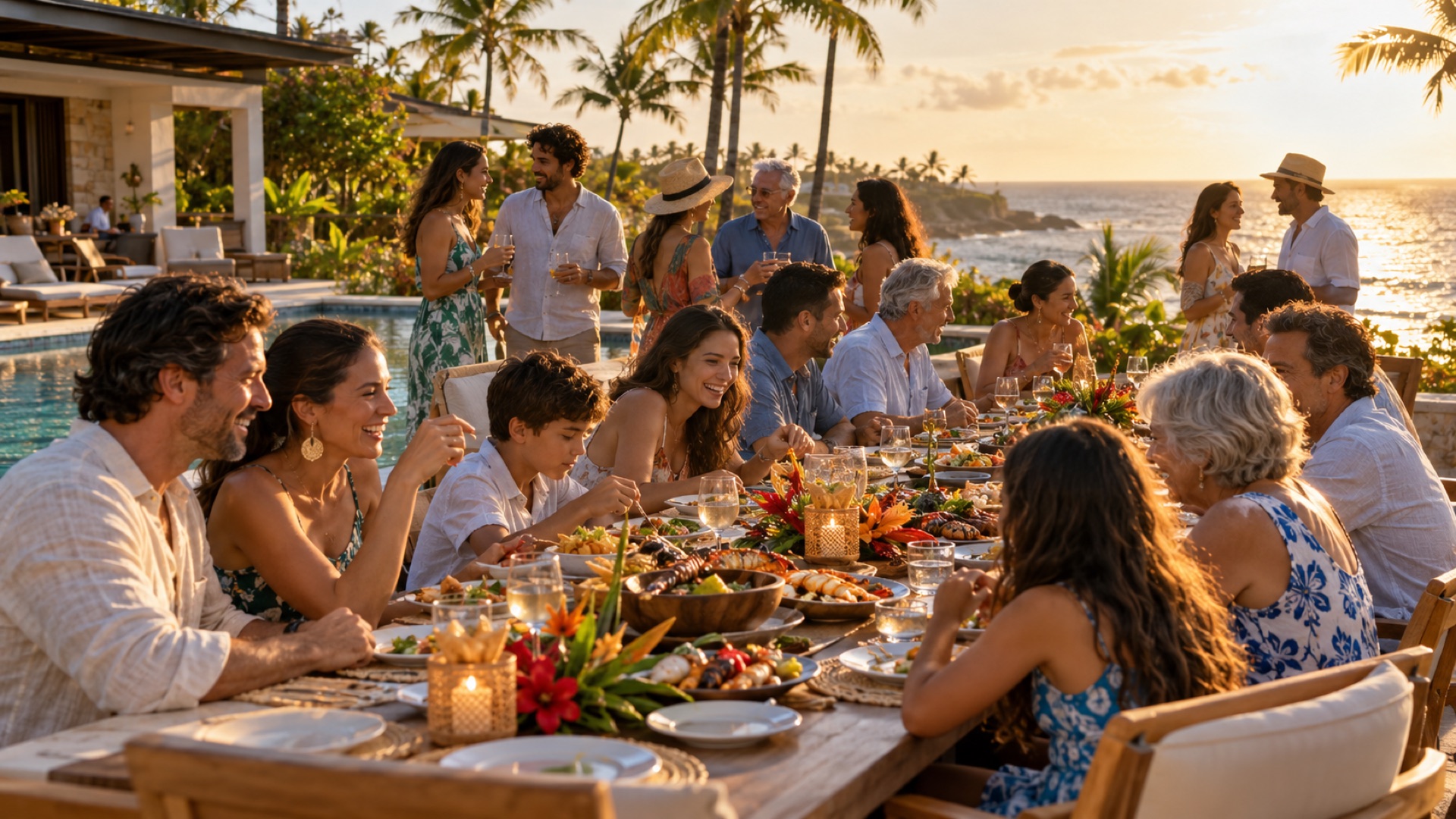
Set-up picnics — low tables, cushions, shade, someone else carrying everything — have become a fixture on this coast, and they work well at sunset.
For anything larger, we host events and group stays on gated grounds with a recreation lawn and lodging on site, so the group stays where the event happens.
There are waterslide parks and pools within driving distance for the day when everyone has had enough sand. Check opening days before you set out; several run reduced schedules outside the high season.

Puerto Rico has one of the longest holiday seasons anywhere, and it runs straight through the busiest months for visitors. If you are coming between late November and late January, these are the dates worth planning around:
Winter is also the dry season and the busiest time to visit, so the best-located stays go first. Holiday dates fill earliest, and a booking made in October usually has the most choice.
The sea stays warm all winter, but the north coast picks up swell from December to March. The balneario is the calmer option for a family swim; always check the lifeguard flags, and save the open beaches for flat mornings.
Dorado town is small and walkable. The beach, the plaza and most of the restaurants sit within a few blocks of one another, and several of our properties are inside that radius.
Everything else on this list needs wheels. Coffee country, the caves, the waterfalls and El Yunque are all drives, and public transport does not usefully reach them. For the rainforest, here is how to do an El Yunque day trip from Dorado. If you are planning more than a beach week, rent a car — rates are lower collected from the airport than delivered.
Road signs are in Spanish, distances are in kilometres and speed limits are in miles per hour, which catches people out. Mapping apps work normally. Fuel is sold by the litre.
Bus and trolley stops are roughly fifteen minutes away, and rideshare covers the San Juan run reliably. It becomes expensive if you use it daily, so it suits a trip built around the beach with one or two excursions rather than a touring holiday.
December to April is the dry season and the busy one: reliable sun, higher demand, book earlier. May, June and November are the quiet shoulder — still warm, noticeably cheaper to reach, and the beach is yours on a weekday.
Hurricane season runs June to November. Most of it passes without incident, but power and water interruptions are a normal part of island life even outside a named storm. Every one of our properties has a power generator and a water cistern for that reason, which is a practical difference rather than a marketing line.
Almost everything above is easier from Dorado than from San Juan, and you are not fighting city traffic twice a day. We are a family-run operation with tourism properties across the town, bookable directly:
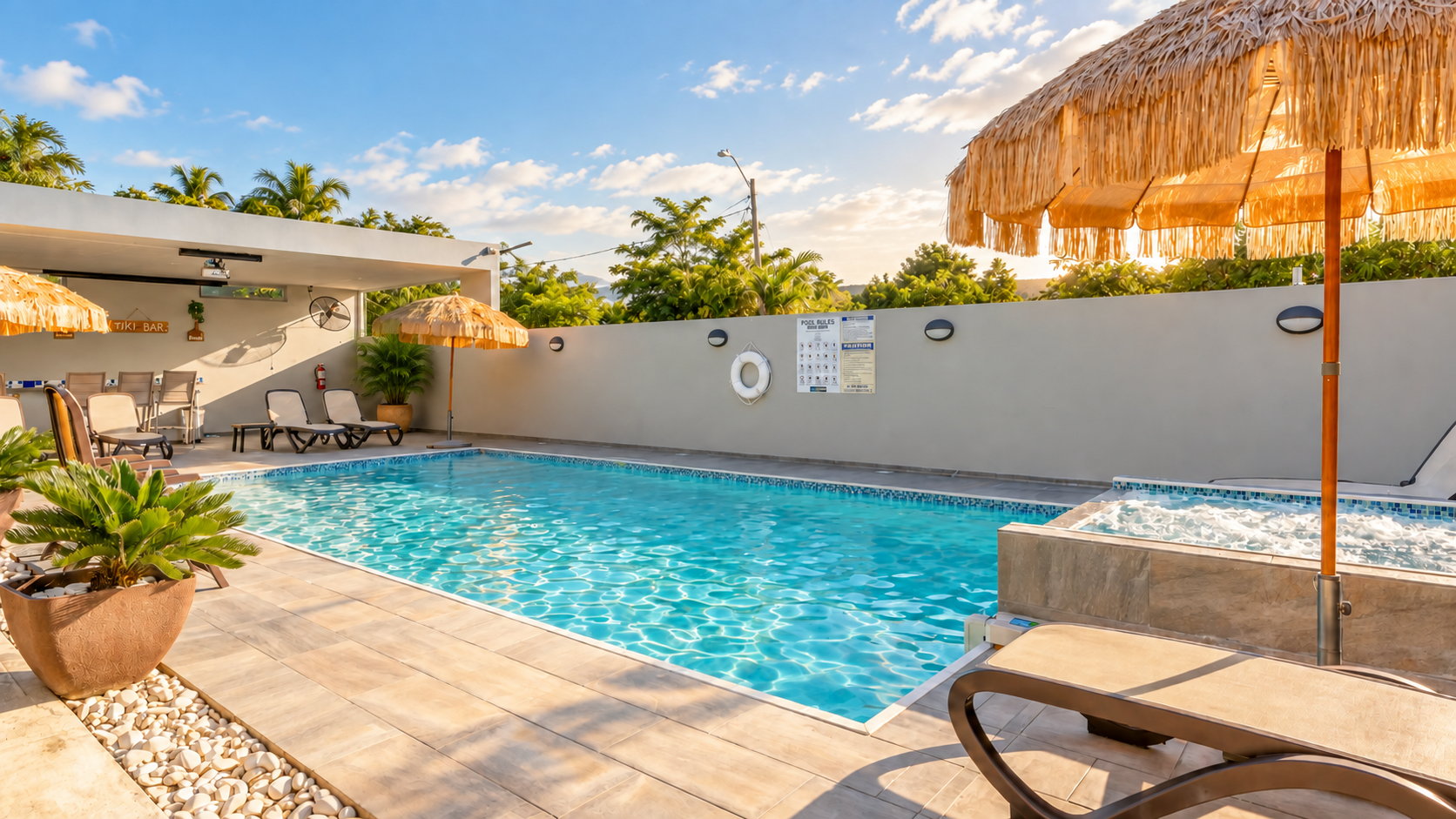
WiFi, power generator and water cistern on every property, so an outage does not end your trip. Stays are bookable up to 180 days ahead, and rates improve past 35 nights — message us directly for long stays. You can also browse things to do nearby.
Booking direct comes with a simple cancellation policy: a full refund if you cancel 15 days or more before check-in. After that, bookings are non-refundable.
Yes, particularly if you want beach days without the crowds of Condado or Isla Verde. Dorado is quieter, the public beach is calm enough for small children, and Old San Juan is still close enough for a day trip.
About thirty minutes by car to Old San Juan, traffic depending. Bus and trolley stops are roughly fifteen minutes away.
Golf, calm north-coast beaches, and being an easy base for the rest of the island. It has a resort reputation, but the public beach and the town itself are open to everyone.
Roughly an hour and a half by car, heading east past San Juan. It is a full day out rather than a morning trip.
For the beach and the town, no — several of our properties are within walking distance of both. For coffee country, the caves and El Yunque, yes.
December to April is driest and busiest. May, June and November are quieter and still warm. Hurricane season runs June to November, which is worth knowing when you book — every one of our properties has a generator and a water cistern for exactly that reason.
It is one of the better choices on the island for young children. The public beach is calm and shallow, the town is walkable, and you are not crossing a city to reach the sand.
For a beach-and-town trip, yes. For the inland attractions on this list, no — those are all drives.
No, and the names cause genuine confusion. Dorado Public Beach (Balneario de Dorado) is the public beach anyone can use. Dorado Beach, a Ritz-Carlton Reserve, and Dorado Beach Resort are separate private resorts nearby, unaffiliated with us.
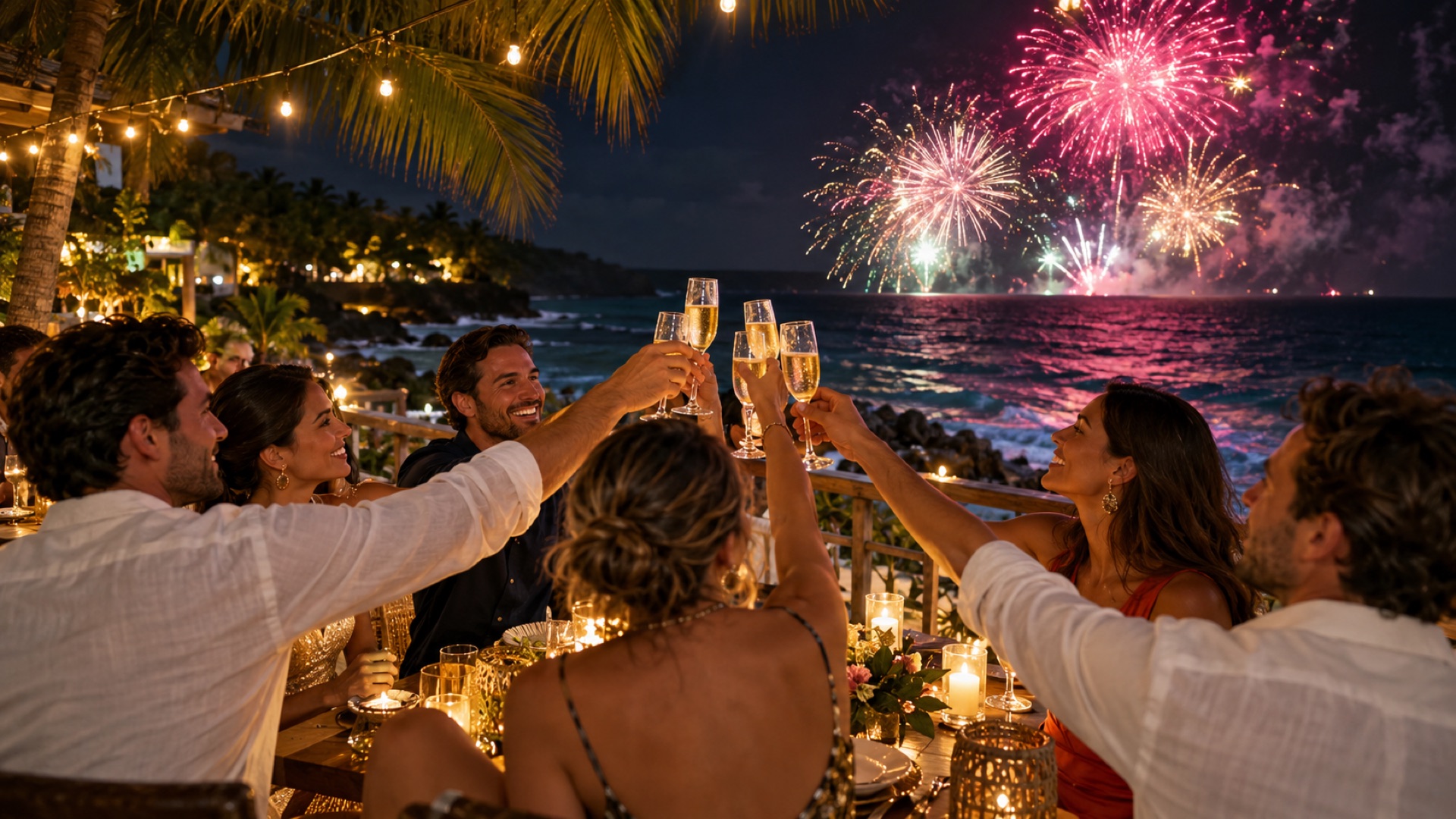
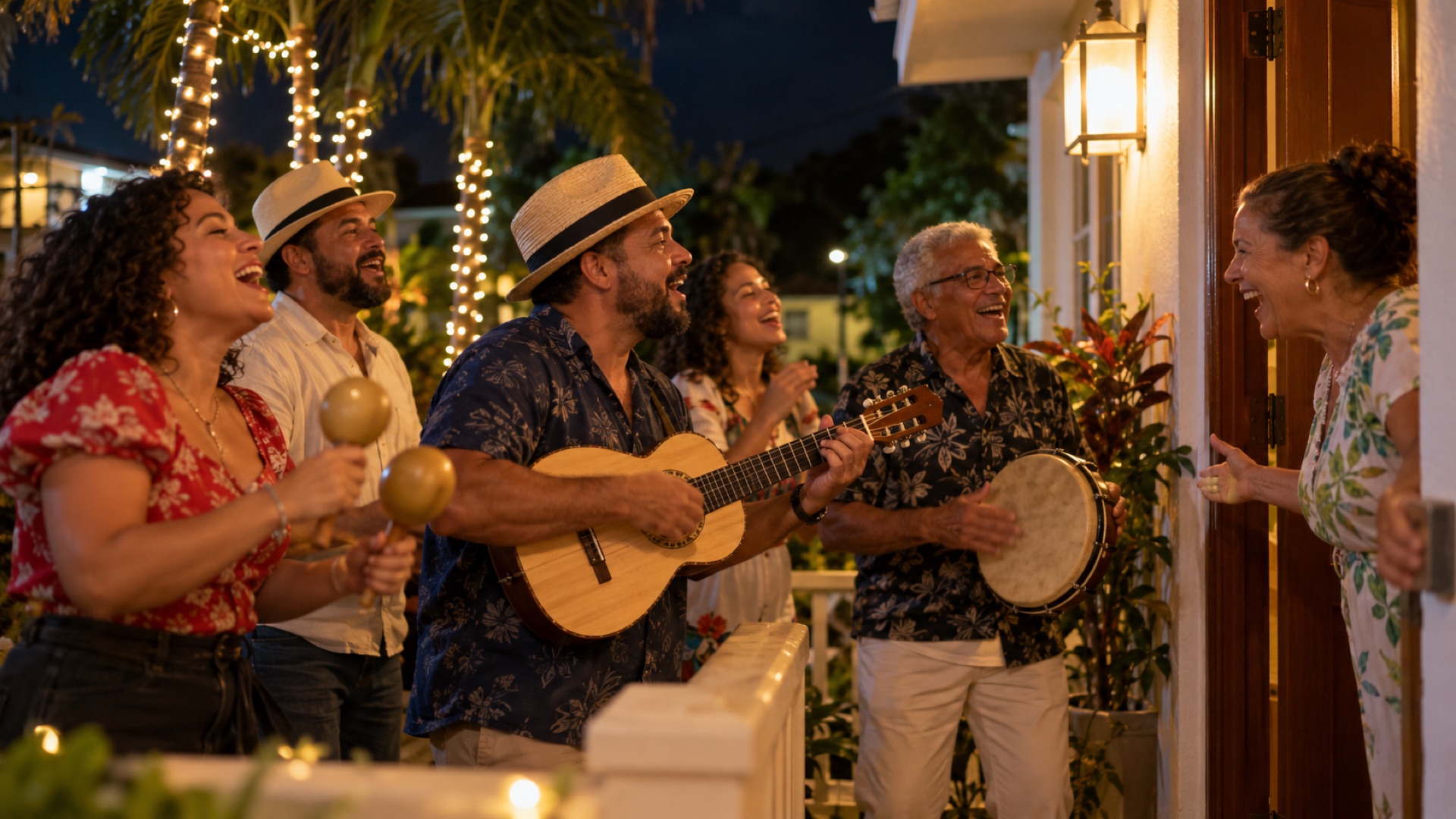
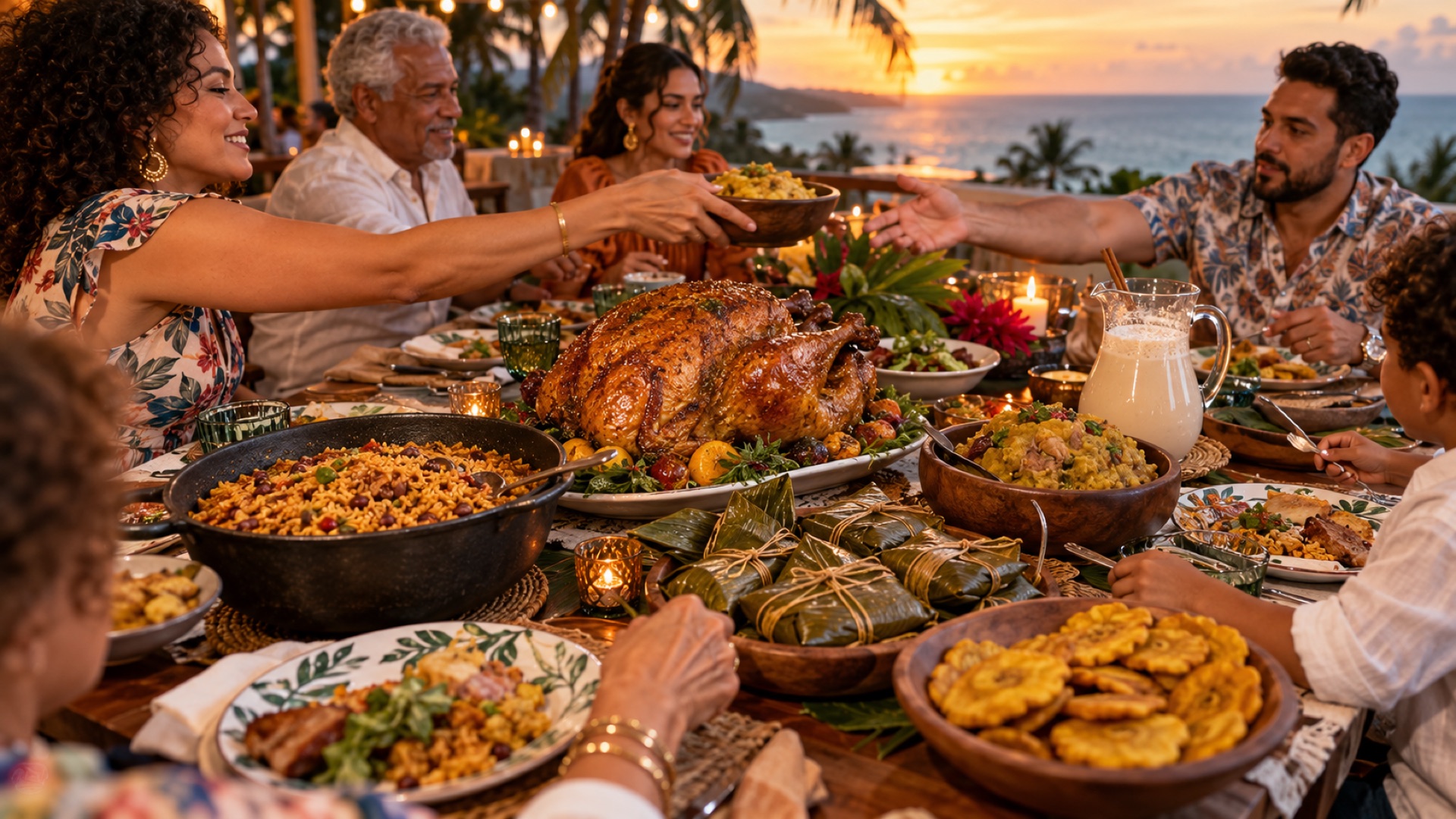
Everything on this list, plus the holiday season: Thanksgiving, Christmas parrandas, New Year’s Eve, Three Kings Day on January 6 and the San Sebastián Street Festival in Old San Juan in late January. Winter is the dry season, so it is also the most reliable time for beach days.
Yes. The water is warm all year, but the north coast gets winter swell. Dorado Public Beach is the calmer choice, and the lifeguard flags tell you what the sea is doing that day.



 EN_US
EN_US  ES
ES