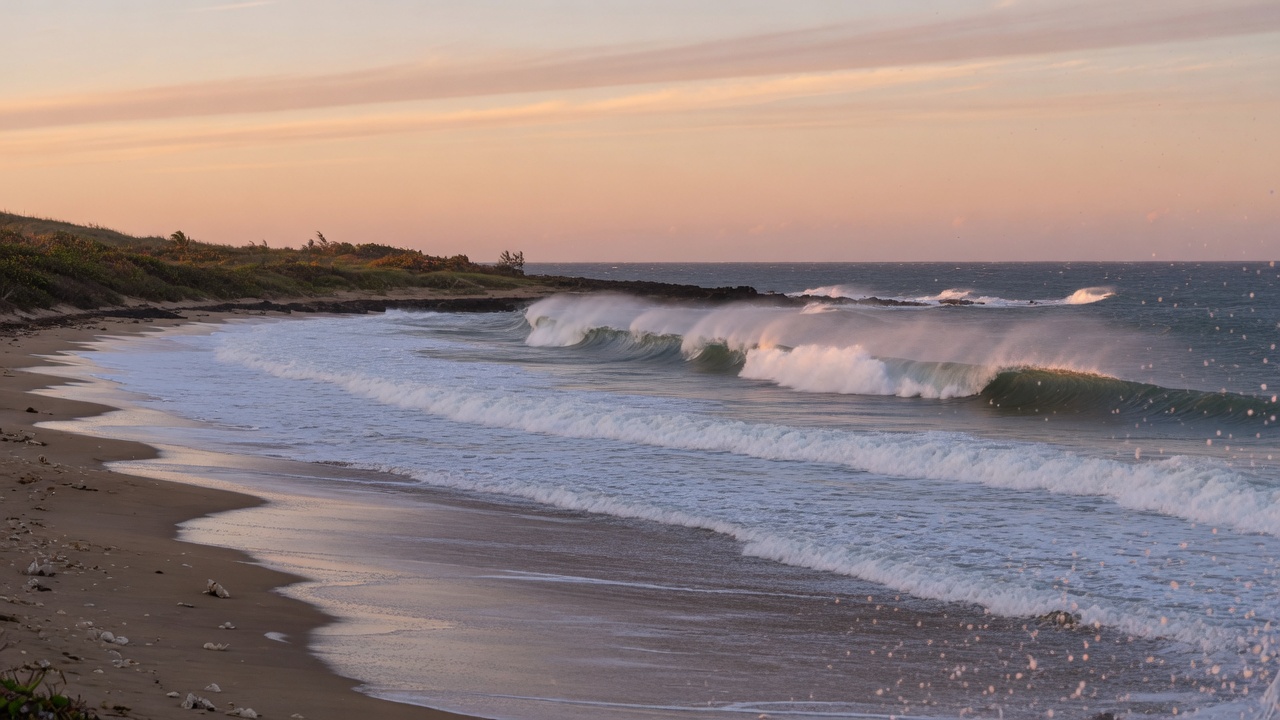
Check it in the morning like a local, surf it when it's working, swim somewhere calmer when it isn't, and sleep somewhere with a hot shower and a kitchen. Here's how a north-coast surf week actually runs.
Most surf trips to Puerto Rico end up pointed west, toward Rincón and the well-documented winter swell. That's a genuinely great trip and it deserves its reputation. It's also a commitment: a long drive from the airport, a different side of the island, and a week that's entirely about one thing.
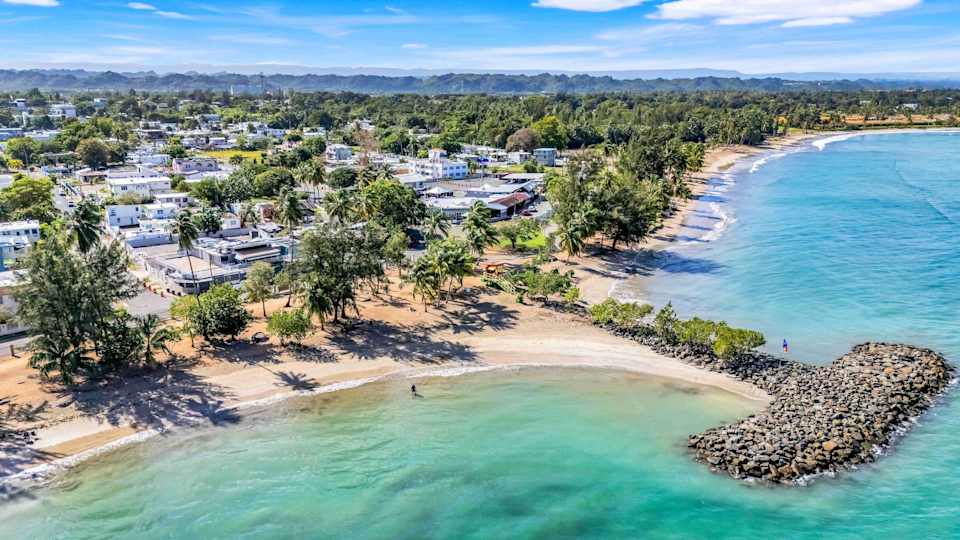
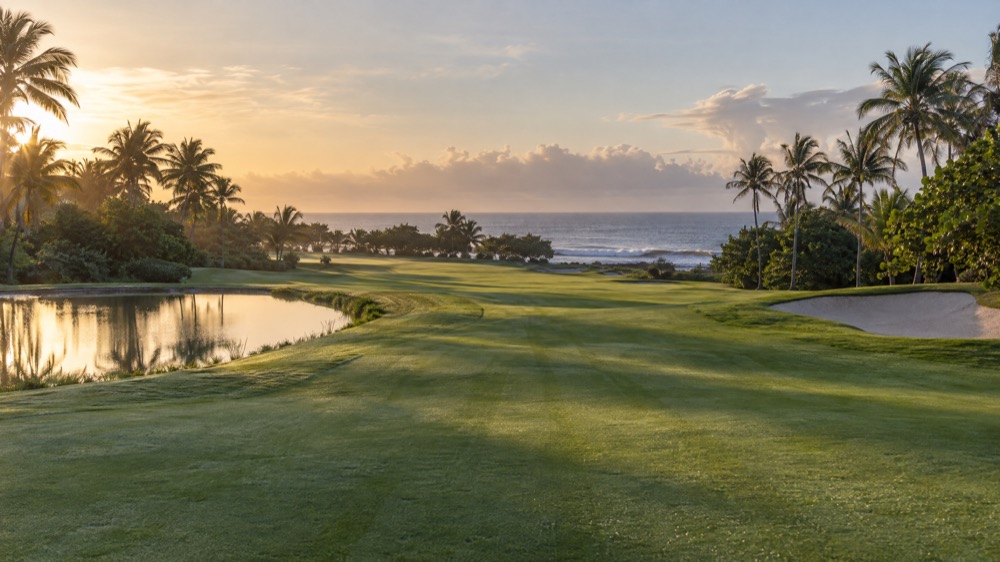
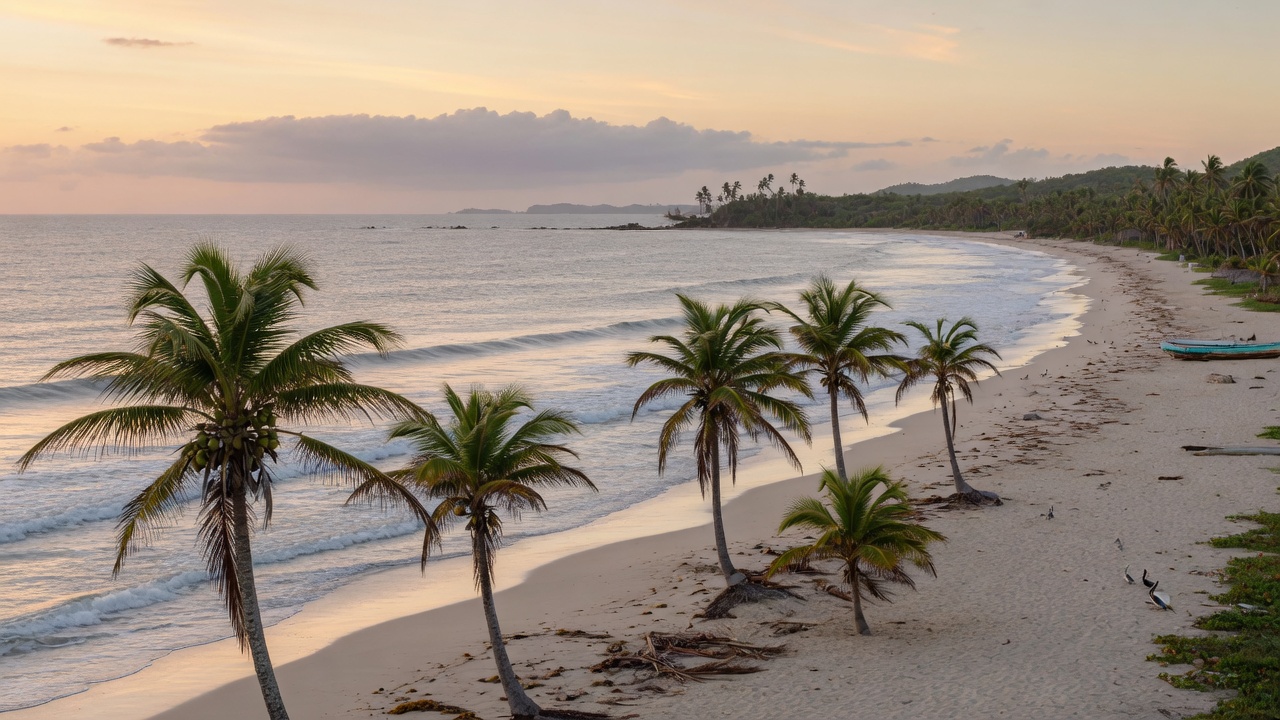
Kikita is the north-coast alternative for people who want surf in the mix rather than surf as the whole itinerary. It's along the Dorado coastline, it has an open, exposed feel compared to the balneario down the road, and it's close enough to where you're sleeping that checking it costs you fifteen minutes rather than a morning.
The honest pitch is this: you get water to surf when it's working, calmer water to swim when it isn't, restaurants worth the walk, and a proper bed at the end of it. That's a better week for most people than a board bag in a stranger's spare room.

View detailed surf forecast for Playa Kikitas. Visit surf-forecast.com for more details, long range forecasts, surf reports, swell and weather maps.
Check the water in the morning the way a local does, not the way a brochure does. If it's working, you go. If it isn't, you swim at Sardinera, get some work done, eat a long lunch, and check again tomorrow. Building the week around that flexibility is the whole trick.
The thing that ruins surf trips is booking a week against a forecast and then treating flat days as failures. Conditions on any coast change daily, and no honest host is going to promise you a swell in an article written weeks in advance.
So plan a stay that still works if you only swim. If the surf shows up, the trip was excellent. If it doesn't, you had a beach week in a good town with decent food, and you'll be back. That's a much better bet than a week that only pays off under one specific set of conditions.
You're awake before the alarm because you went to bed at ten, which is one of the quiet advantages of not staying somewhere with a bar downstairs. Coffee in your own kitchen, made properly, in the twenty minutes before the light comes up over the water.
Then you go and look. That's the whole ritual and it's genuinely the best part of a surf trip, regardless of what you find when you get there. The road along the coast is empty at that hour, and there's a particular quality to arriving somewhere and standing for a few minutes just reading the water before you decide anything.
Some mornings you're back at the house by seven with the boards still dry, and you make breakfast and swim at the balneario instead. Other mornings you're in the water until your arms give out and you come back starving, salt-stiff and completely happy, and you eat everything in the fridge standing up.
Both of those are good mornings. The trip works because you're set up for either one, rather than having staked the week on a forecast and a two-hour drive.
Afternoons take care of themselves. Sleep, eat, sit somewhere with a view, drive out to look at the water again around five in case it's turned on. It's a simple rhythm and it's remarkably hard to get tired of.
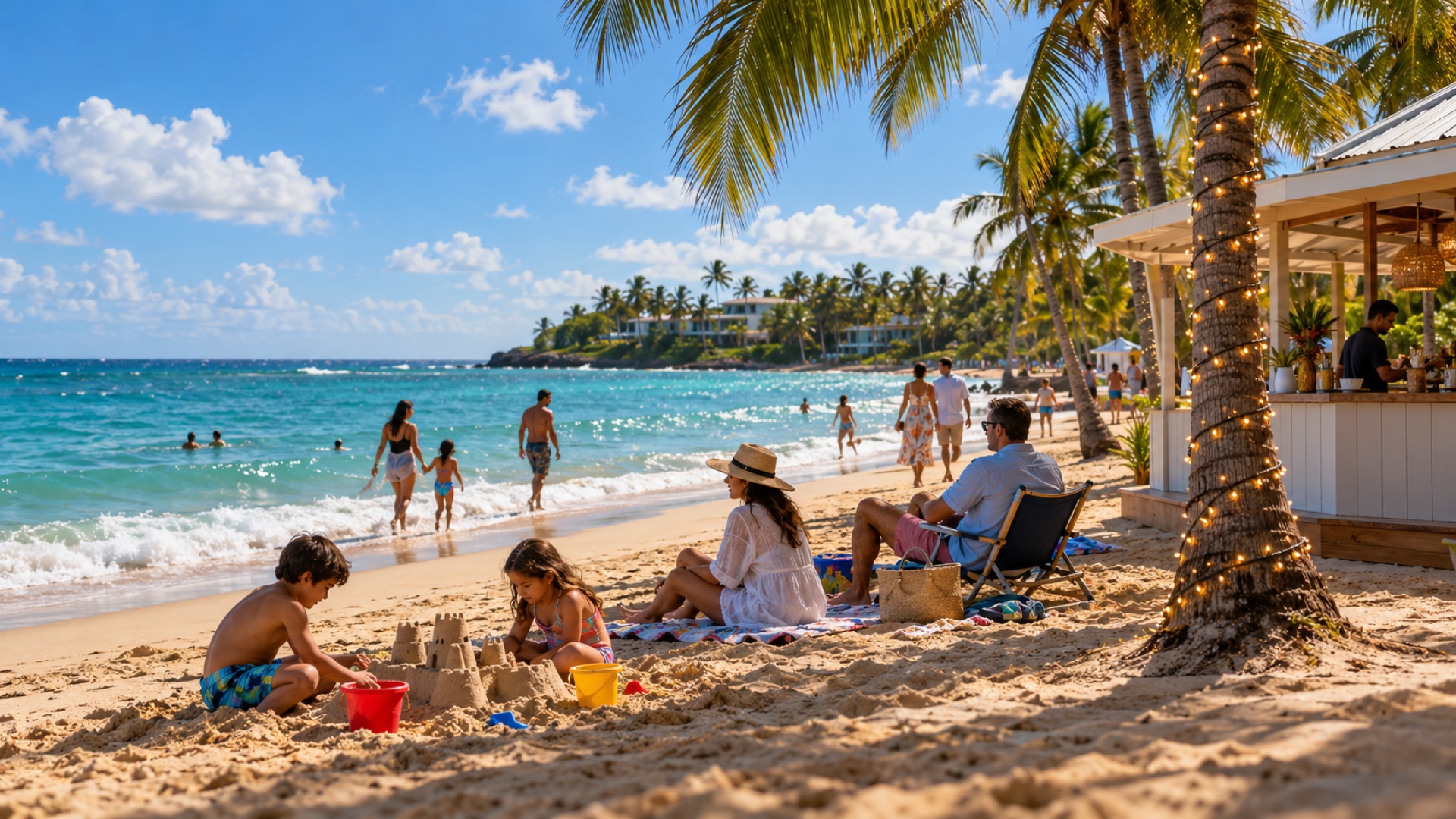
Plenty, which is exactly why Dorado suits this kind of trip better than a dedicated surf town does. Playa Sardinera, the public balneario at Costa de Oro, is the easy water when Kikita isn't cooperating, and it's a genuinely lovely place to be early in the morning.
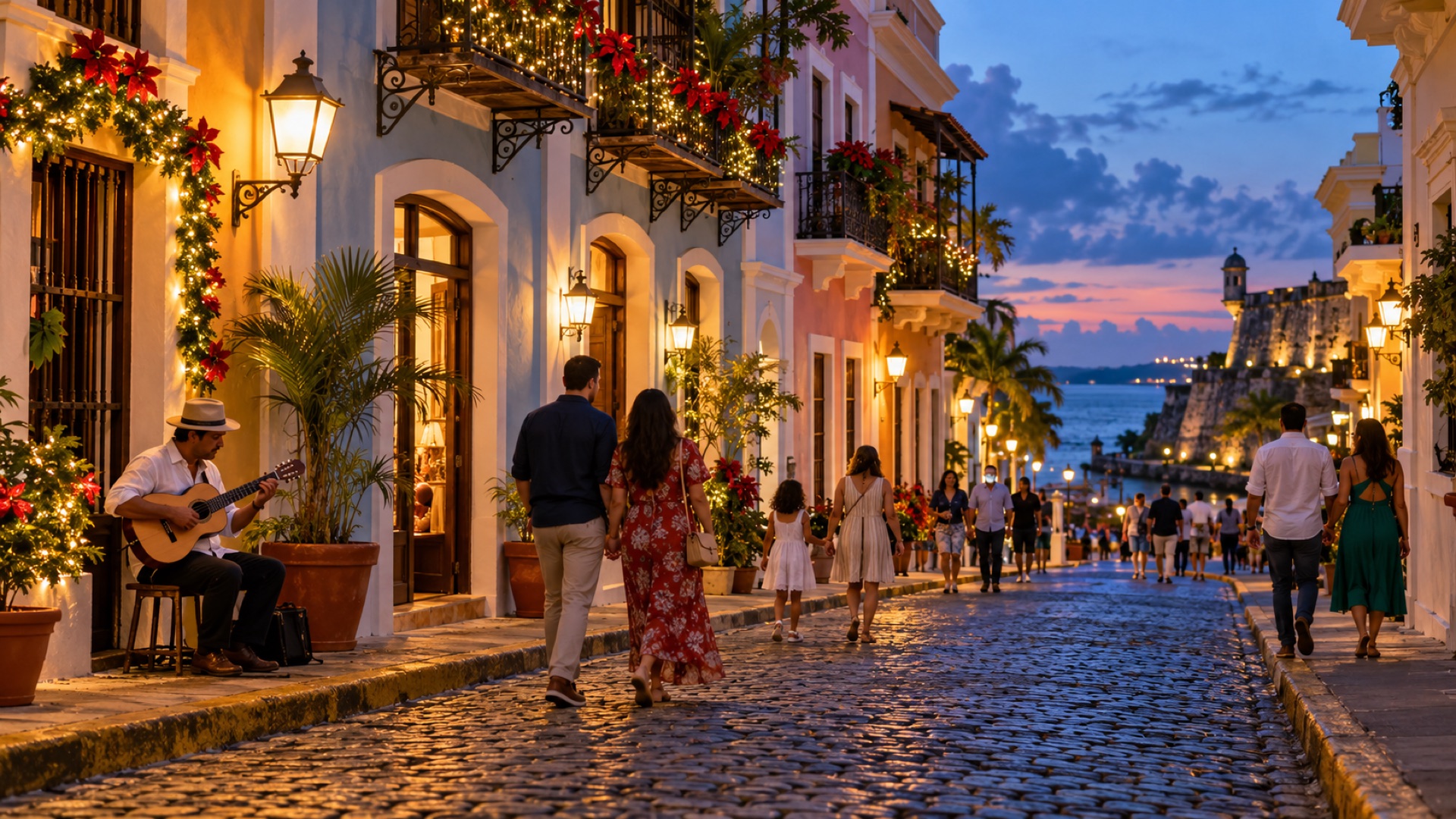
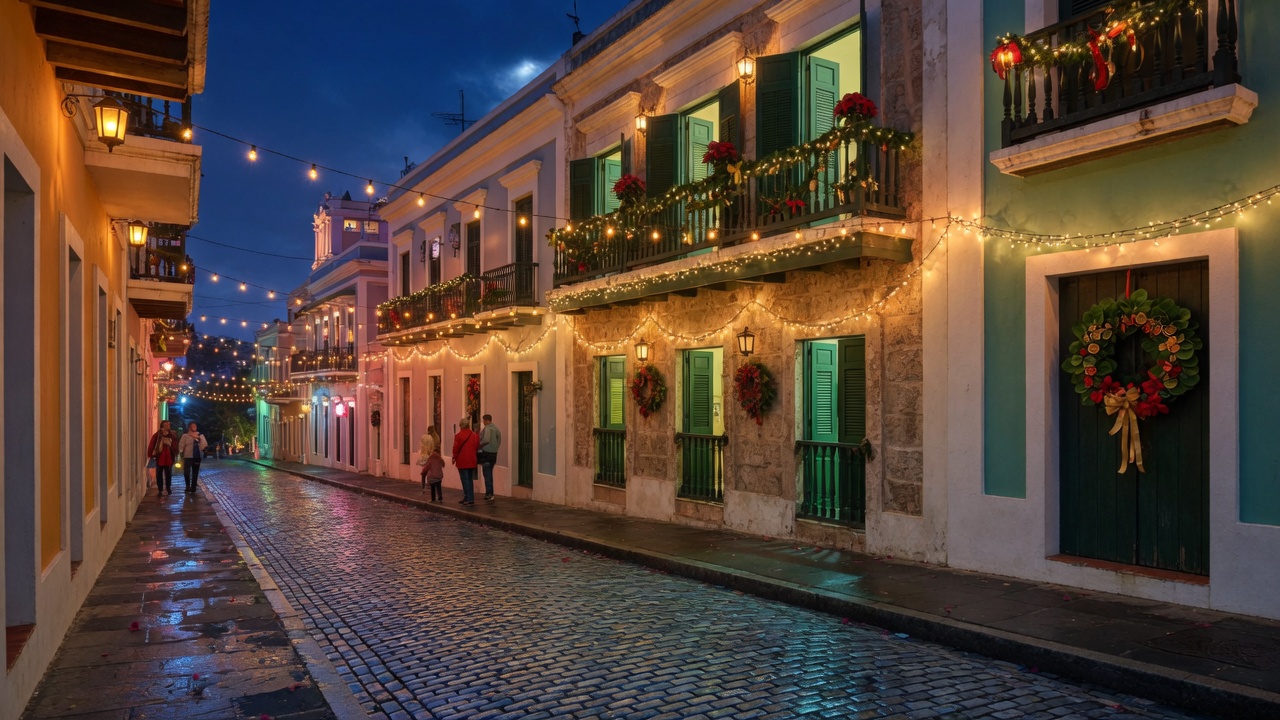
El Yunque makes a good weather day, since a rainforest in the rain is closer to the authentic version than a dry one, and you'll have the trails to yourself. Old San Juan works as a rest day when your shoulders have had enough: cobblestone, old walls, and a long lunch in a courtyard.
The rest of the time you're doing what everyone does here, which is eating well and being in or near water. Kikita Beach Bar & Grill sits right on that stretch and is the obvious stop when you come out of the water hungry, with octopus and a cold drink and the ocean directly in front of you. La Ventana de Kikita is the local plate nearby. Back toward town, La Terraza does mofongo pressed in a wooden pilón and fried snapper on an open-air terrace, which is a very good way to end a day that started at six.
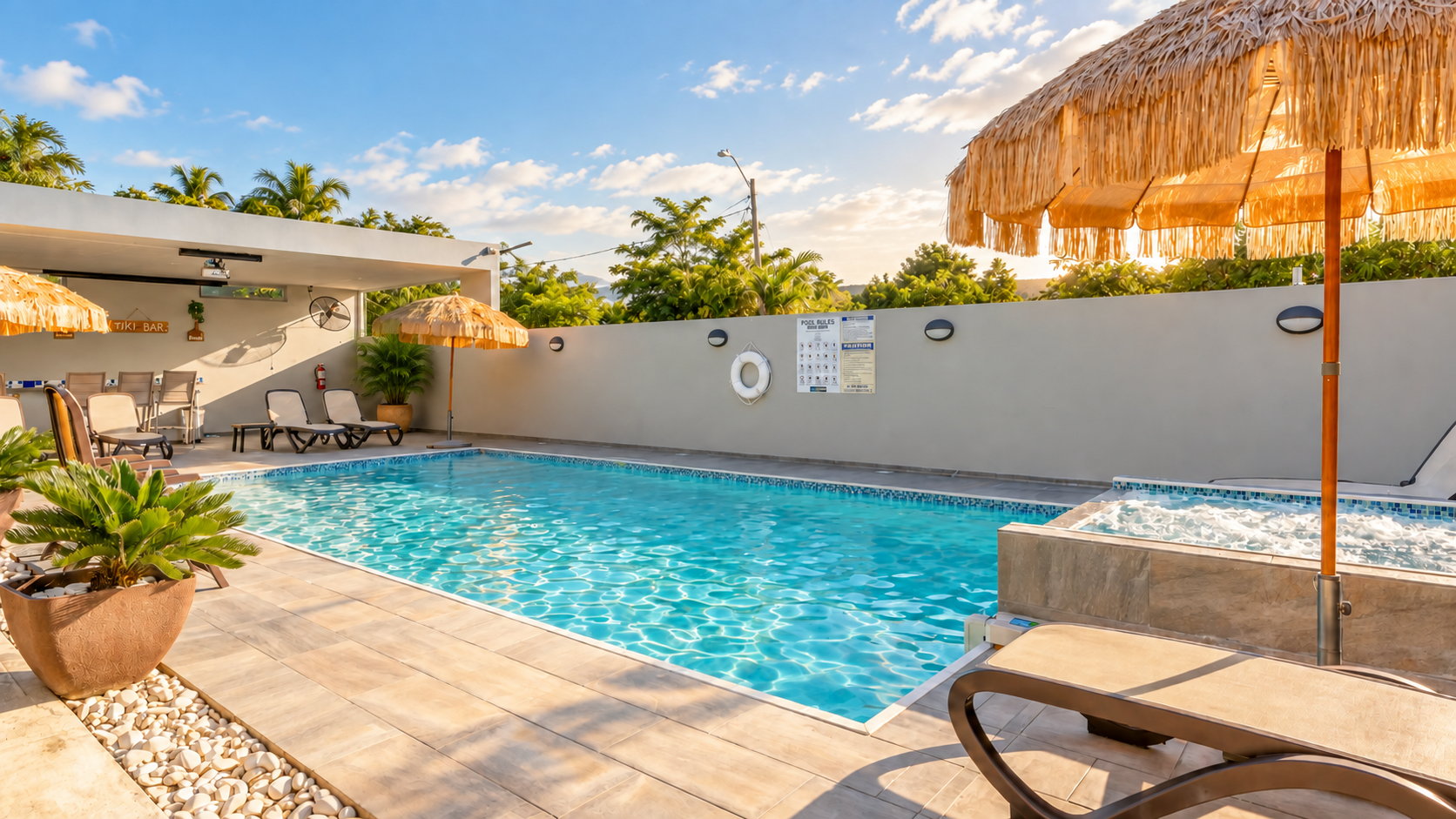
Close to the water, with a hot shower and somewhere to rinse gear. Terrazas in Costa de Oro is the natural fit, with the beachfront and Sardinera as your easy default and Kikita a short drive along the coast. Ville Moderna gives you more space and a quieter street if you'll be driving anyway.
We book the bed you come back to. We don't run a surf school, we don't rent boards, and we're not going to pretend to know what the water's doing next Tuesday.
Both are local and both are separate from your stay. There are instructors and shops along this coast, and the right move is to arrange those directly with the people who actually run them rather than through us.
Ask locally when you arrive, or sort it in advance if you'd rather have it booked. Either way, treat anyone promising guaranteed conditions with the scepticism you'd apply anywhere else.
Access and parking at Kikita change with the day and the season, so go early, read the signage, and don't leave anything visible in the car. Standard beach sense, applied consistently.
Book the whole stay rather than chasing a forecast, pick a base with easy water nearby, and book directly on aquadorado.com.
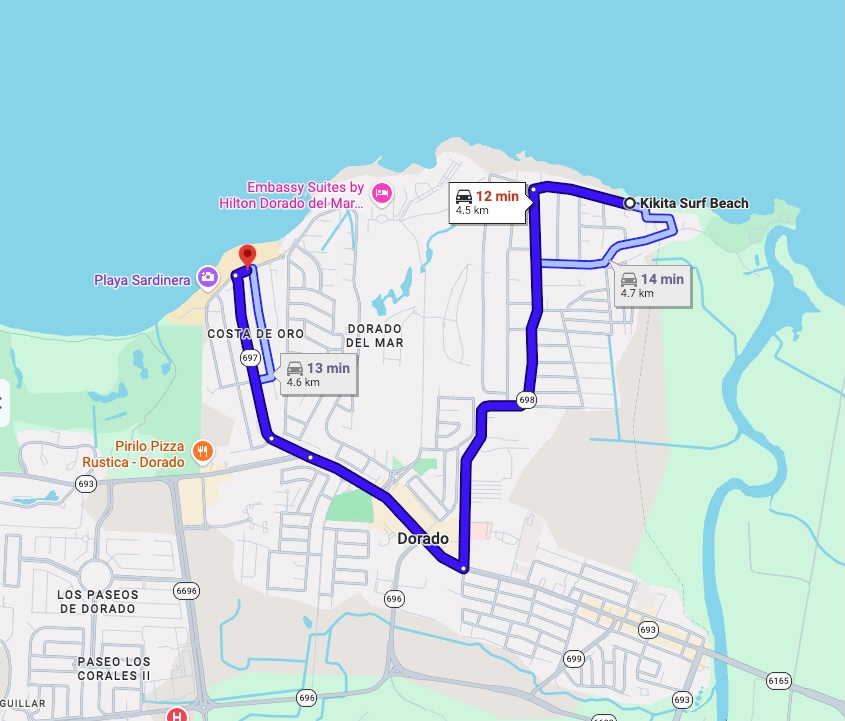
Click the following button to send the address to your phone, and check real time driving directions.
Some days, and some days genuinely not, which is true of any exposed beach. Don't book a week on the promise of beginner-friendly water, and if you're learning, work with a local instructor who can look at the actual conditions that morning and tell you honestly whether to go in.
For surfing, yes. You'll want to check more than one spot and go at hours that don't suit rideshare, and a car turns that into a fifteen-minute decision rather than a production. If you're only swimming at Sardinera, you can manage without one.
The north coast generally sees more winter energy, which is the broad pattern across the island, but any specific week is a gamble and anyone telling you otherwise is selling something. Pick your dates for the trip you want and treat good surf as a bonus rather than the plan.
Ask when you book, because it depends on the unit and how much space it has. Mention the gear along with your dates and we'll tell you honestly whether it's practical rather than letting you find out on arrival.
Then you have a beach week in a good town, which is a perfectly fine outcome. Sardinera for swimming, El Yunque for a day, Old San Juan for another, long lunches in between, and you come back another season. Plan the trip so that's not a disaster and it won't be.
For a dedicated surf week where nothing else matters, probably yes, and it's a great trip. For a week that mixes surf with a beach, a rainforest day, the old city and eating well, Dorado does more, and it's far closer to the airport.
Check it in the morning, surf it when it's working, and come home to a hot shower and a kitchen. Book directly with Aqua Dorado.





 EN_US
EN_US  ES
ES